November 17, 2026
A commercial property exterior serves as the primary introduction to an organization, establishing an immediate impression of operational standards, safety protocols, and general professionalism. When surface deterioration begins to compromise that initial touchpoint, the consequences extend well beyond mere visual decline. Potholes, extensive fractures, and depressed sub-bases present immediate physical hazards to patrons, visitors, and staff members navigating the property on foot or by vehicle. Navigating premises liability requires proactive stewardship, as property owners maintain an affirmative legal duty to identify and remediate hazardous structural defects before accidents occur. Retaining a qualified parking lot resurfacing contractor provides commercial property managers with the technical expertise necessary to identify underlying structural vulnerabilities, prevent expensive regulatory penalties, and maintain compliance with regional safety codes.
Premises liability law holds commercial entities strictly accountable for preventable incidents that take place across vehicular pathways, loading docks, and pedestrian walkways. When visitors suffer personal injuries from tripping over uneven pavement or sustain vehicle damage from severe surface depressions, legal claims frequently focus on whether ownership exercised reasonable care in property upkeep. A failure to institute scheduled evaluations and documented corrective actions can result in severe financial exposure through court judgments, elevated insurance premiums, and settlements.
Identifying Structural Deficiencies and Establishing Timely Intervention Thresholds
Commercial asphalt degrades under continuous physical stress from heavy vehicle traffic, environmental cycles, and chemical runoff from motor vehicles. The early manifestation of deterioration often appears as minor hairline fractures that expand across travel lanes and parking stalls. If surface moisture penetrates the porous asphalt binder and reaches the compacted aggregate base, the entire load-bearing foundation begins to destabilize. Over time, recurring vehicular weight displaces the compromised sub-grade, causing depression faults, loose aggregate displacement, and hazardous potholes. Property managers must remain vigilant in monitoring surface transitions, recognizing that unattended hairline cracks inevitably expand into structural failures that pose significant trip-and-fall hazards for pedestrian traffic.
Timely intervention depends on evaluating the severity and distribution of surface wear across the property before foundational collapse occurs. These imperfections not only affect the lot's visual appeal but also increase safety risks significantly. According to The Budd Group, as long as the lot's foundation is still sturdy, less than 25-30% of your lot requires repair, and the cracks present don't exceed a few inches in depth or a quarter of an inch in width, resurfacing is usually recommended. Initiating remedial paving within these parameters restores structural integrity without incurring the exorbitant financial burdens associated with a full-depth reconstruction. Scheduling an on-site diagnostic assessment with a certified parking lot resurfacing contractor enables facility operators to determine precise deterioration levels and verify whether an asphalt overlay remains viable.
Evaluating Paving Professionals Through Rigorous Qualification Standards
Securing an experienced asphalt team requires thorough due diligence to ensure the selected partner possesses technical competence and adequate risk mitigation coverage. Commercial paving projects involve heavy machinery, hot-mix bituminous materials, and strict traffic redirection protocols, making verified liability insurance and workers' compensation coverage essential. Property administrators should inspect historical portfolios, evaluate regional references, and verify specific experience in completing large-scale commercial installations. A reputable commercial specialist maintains comprehensive understanding of localized zoning codes, environmental drainage standards, and ADA compliance mandates regarding accessible pathways. Establishing these standard qualifications protects the enterprise against vicarious liability during on-site execution.
The evaluation process must encompass a detailed review of project methodology, proposed material standards, and projected operational timelines. When comparing proposals, decision-makers must look beyond initial pricing figures to examine structural scope, including aggregate quality, binder viscosity, and milling specifications. Requesting itemized bids allows organizations to analyze the duration of project phasing, ensuring that customer access and tenant operations experience minimal disruptions during construction. Partnering with a vetted parking lot resurfacing contractor guarantees that the selected installation method addresses specific site drainage challenges, sub-base anomalies, and load-bearing requirements rather than applying temporary surface remedies.
Deploying Modern Resurfacing Methodologies and Advanced Asphalt Solutions
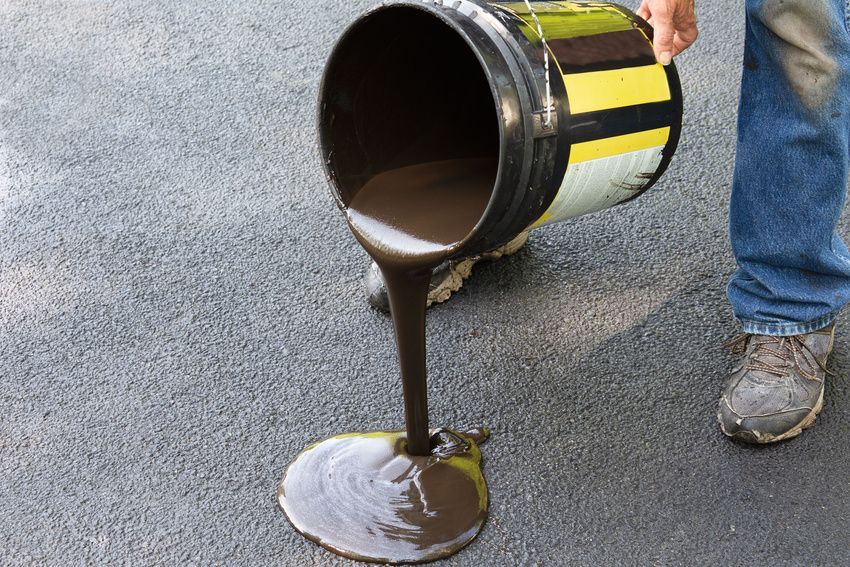
Modern pavement restoration utilizes specialized engineering techniques designed to rehabilitate damaged asphalt surfaces efficiently and sustainably. Asphalt resurfacing, commonly known as an overlay, involves milling down the deteriorated top course to eliminate surface imperfections while preserving the sound sub-base beneath. A bituminous tack coat is applied over the prepared surface to bond the existing aggregate securely to a fresh layer of hot-mix asphalt. This process eliminates grade depressions, fills structural cracks, and restores optimal vehicular traction across all driving lanes. Correcting these surface issues shields the subgrade against precipitation, preventing water from seeping into vulnerable sub-layers during cold snaps.
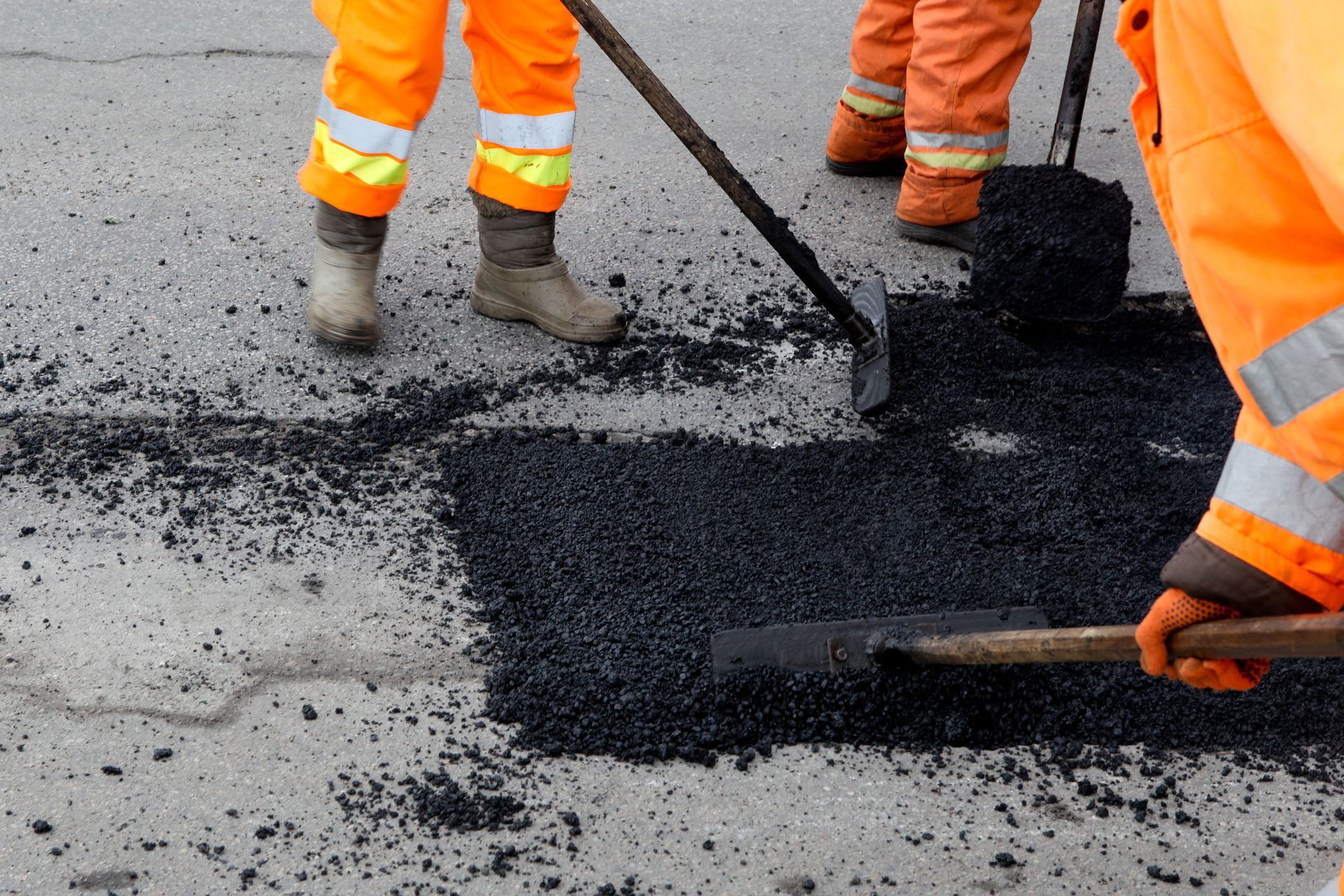
In conjunction with structural overlays, modern commercial sites benefit significantly from integrated surface treatments such as precision infrared repair and heavy-duty sealcoating. Infrared thermal restoration enables technicians to soften compromised asphalt sections in place, introduce fresh hot mix, and compact the joint seamlessly to eliminate seams where moisture often enters. Following structural restoration, the application of specialized asphalt emulsion coatings provides a protective barrier against ultraviolet oxidation, motor fluids, and routine surface abrasion. Discussing these strategic choices with an accomplished parking lot resurfacing contractor allows property directors to engineer a customized rehabilitation schedule that optimizes budgetary allocations while extending pavement longevity.
Implementing Rigorous Preventative Protocols and Continuous Site Monitoring
Sustaining a safe commercial parking facility demands systematic site monitoring protocols rather than reactive repair measures taken only after an incident occurs. Operational leadership should establish standardized physical inspection schedules to detect dynamic surface hazards across all pedestrian walkways, access aprons, and drainage grates. On-site facility teams can be trained to recognize early indicators of distress, including aggregate raveling, surface polishing, edge fatigue, and early ponding after rain events. Logging every inspection in a dedicated property management database establishes an auditable record of diligent oversight, demonstrating that management actively seeks to eliminate safety risks.
Technological advancements have enhanced maintenance tracking, enabling management teams to monitor surface wear patterns using digital spatial mapping and automated work-order alerts. Pairing digital oversight with professional structural reviews guarantees that small fractures receive commercial hot-pour crack sealant before subsurface moisture undermining begins. Consistent maintenance also requires keeping stormwater catch basins clear of debris, ensuring swift runoff and preventing standing water pools that degrade asphalt binders. Consulting periodically with a dedicated parking lot resurfacing contractor ensures that preventative maintenance measures align with asphalt deterioration rates, preserving capital investments and keeping driving surfaces smooth and safe for public use.
Elevating Curb Appeal and Mitigating Operational Liability
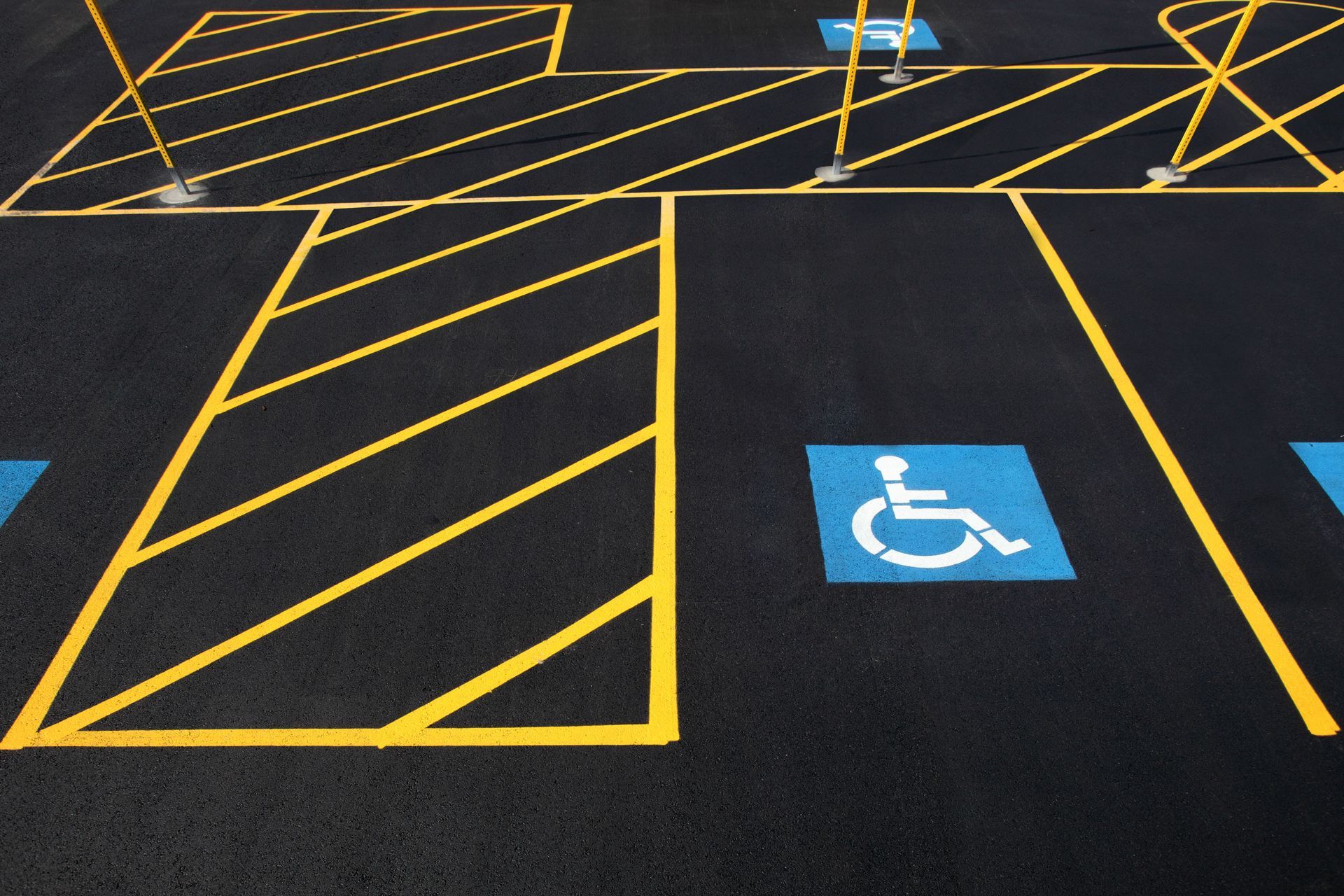
Investing in professional asphalt rehabilitation yields substantial returns through improved commercial curb appeal, enhanced accessibility, and sustained asset value. The entrance and vehicular paths of a commercial facility shape initial consumer perceptions regarding service quality and management standards. A smooth, freshly paved blacktop featuring crisp line striping, clear directional arrows, and vibrant accessibility markings communicates professionalism and operational excellence. This positive presentation enhances tenant satisfaction, elevates commercial leasing prospects, and increases customer foot traffic by providing an intuitive and welcoming arrival experience.
Beyond superficial aesthetics, structural rehabilitation functions as an indispensable risk-management measure that shields businesses from expensive personal injury claims. Eliminating abrupt elevation changes, irregular fissures, and hidden depressions significantly lowers the probability of pedestrian falls and vehicle damage claims on the premises. Clear pavement delineation optimizes traffic navigation, reduces pedestrian conflicts, and maintains compliance with federal accessibility standards. Retaining a skilled parking lot resurfacing contractor provides business owners with the engineering expertise needed to maintain safe, fully accessible, and legally compliant exterior facilities.
Securing Professional Guidance for Long-Term Pavement Integrity
Sustaining commercial real estate assets requires ongoing diligence, proactive structural investment, and adherence to safety standards. Allowing asphalt deterioration to advance unchecked exposes businesses to legal liability, reputational damage, and costly emergency repairs. By recognizing the critical indicators of pavement distress and acting while the sub-base remains intact, organizations can protect their investments, safeguard their customers, and maintain clean property aesthetics. Implementing structured inspection protocols and executing preventative upkeep protects capital assets while reducing personal injury exposure across the entire facility.
When planning your upcoming facility improvement project, partnering with proven industry professionals ensures reliable workmanship, high material standards, and long-term pavement durability. Engaging a premier
parking lot resurfacing contractor guarantees that your restoration plan addresses foundational drainage, localized load stresses, and compliant traffic flow striping. Take the necessary steps to safeguard your enterprise, reduce operational liability, and elevate your facility curb appeal by contacting California Paving & Grading today to schedule a comprehensive property evaluation.