October 20, 2026
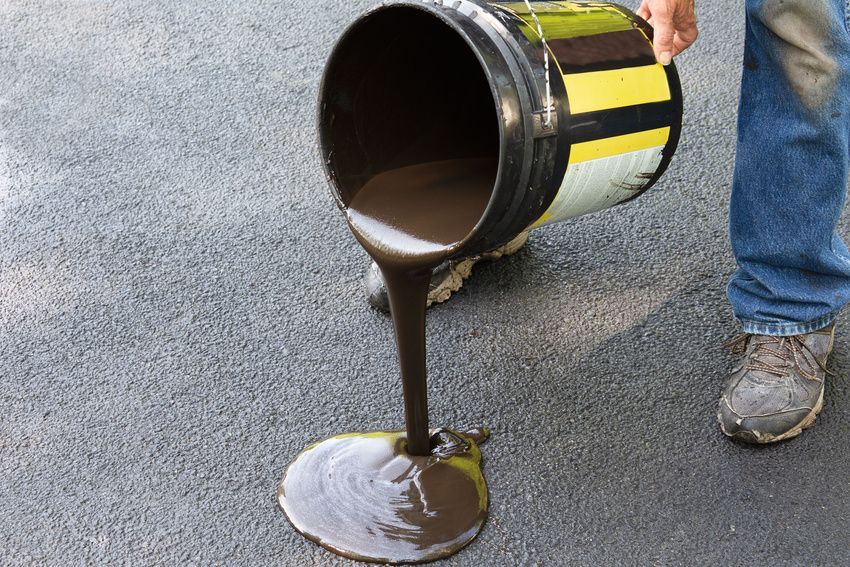
Protecting paved surfaces is an important part of maintaining a safe, attractive, and functional property. Asphalt faces wear from sunlight, moisture, traffic, temperature changes, and seasonal weather. A properly selected blacktop sealer can help protect the pavement surface, while additives can improve how the material performs under specific conditions.
Additives are ingredients included in a sealing formulation to modify properties such as flexibility, adhesion, durability, traction, color retention, or resistance to environmental exposure. Their value comes from matching the formulation to the pavement, climate, traffic level, and expected use rather than treating every asphalt surface the same way.
Improving Surface Protection
One primary purpose of additives is to strengthen the protective characteristics of a sealing system. Asphalt is exposed to ultraviolet radiation and oxygen, which can contribute to oxidation. As the binder ages, pavement can become harder and less flexible, increasing susceptibility to cracking and other deterioration.
Certain additives help a sealer form a durable protective layer over asphalt. This layer can reduce direct environmental exposure and help preserve surface condition. A blacktop sealer does not replace proper pavement construction or repair, but an appropriate formulation can support a preventive maintenance strategy.
Enhancing Flexibility and Durability
Pavement needs enough flexibility to respond to normal movement without becoming excessively brittle. Daily temperature changes cause asphalt to expand and contract, while traffic repeatedly stresses the surface. A sealing product with appropriate additives may help maintain flexibility as conditions change.
This characteristic is particularly relevant in areas with hot summers, seasonal rain, and cooler periods. A surface that better accommodates ordinary movement may remain serviceable longer between maintenance treatments. Additives can contribute to a formulation designed for demanding conditions.
Supporting Better Adhesion
A sealer needs to adhere properly to pavement to provide consistent coverage and protection. Surface condition, cleanliness, moisture, temperature, and material compatibility all affect adhesion. Additives can improve the interaction between a sealing material and the asphalt surface.
Better adhesion can reduce premature separation, peeling, or uneven coverage. Professional paving contractors consider these factors when selecting materials and determining whether pavement is ready for sealing. Proper preparation helps the selected product perform as intended.
Increasing Resistance to Weather
Weather is one of the most persistent challenges for paved surfaces. Sunlight can accelerate oxidation, while water can enter existing cracks and vulnerable areas. Repeated exposure to these conditions can gradually affect pavement appearance and performance.
Additives may help a sealing formulation resist particular environmental stresses. Some are intended to improve resistance to ultraviolet exposure, while others support water resistance or desirable material properties as temperatures fluctuate. When appropriately formulated, a blacktop sealer can provide useful protection against routine weather exposure.
Maintaining a More Consistent Appearance
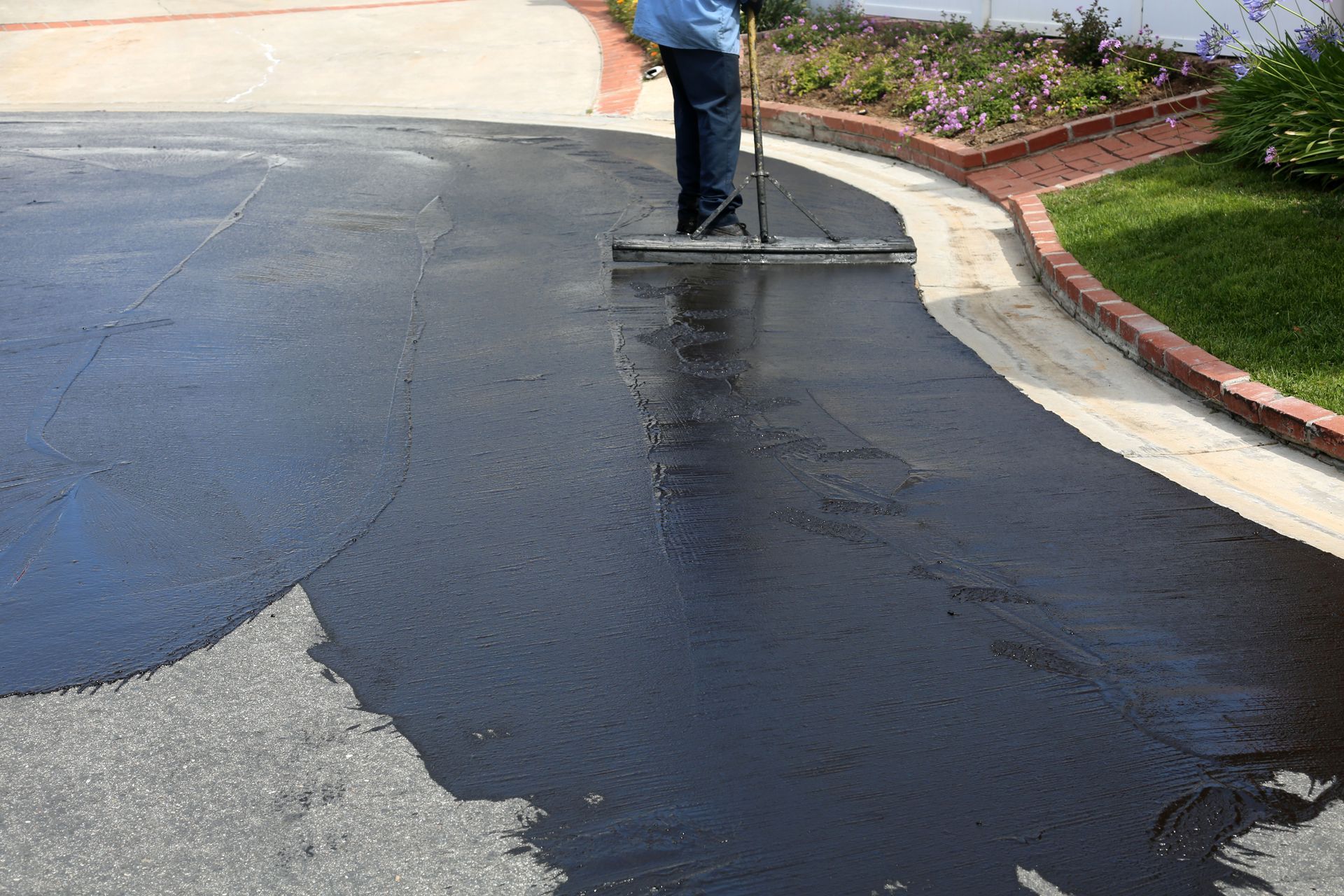
Pavement appearance can influence how a property is perceived. Faded, dry-looking asphalt may make an otherwise well-maintained parking area, driveway, or access road appear older than it is. A properly applied blacktop sealer can restore a more uniform appearance while adding a protective layer to the pavement.
Additives can support characteristics such as color retention and surface uniformity, depending on the formulation. This can be useful for commercial properties where parking areas and drive lanes are visible to customers, employees, tenants, or visitors. A consistent appearance also supports the presentation of well-maintained properties.
Supporting Traction and Surface Performance
Some additives are selected to influence surface texture and traction. This can matter where vehicles and pedestrians regularly share paved spaces. Appropriate surface characteristics depend on the pavement's purpose, traffic patterns, slope, and environmental exposure.
Material selection should account for the intended application rather than adding ingredients without a specific performance goal. Professional contractors can evaluate the pavement and recommend materials suited to the site's requirements.
Adapting Materials to Project Conditions
Every paving project has its own combination of variables. A residential driveway may experience different traffic and maintenance demands than a commercial parking lot or access road. Pavement exposed to constant sunlight may also require different considerations from a shaded surface.
Additives give manufacturers flexibility in developing sealing products for different applications. Contractors can select materials based on pavement age, condition, climate, traffic, and project objectives and needs. This targeted approach is more useful than assuming one product will perform identically on every surface.
Considering Long-Term Maintenance
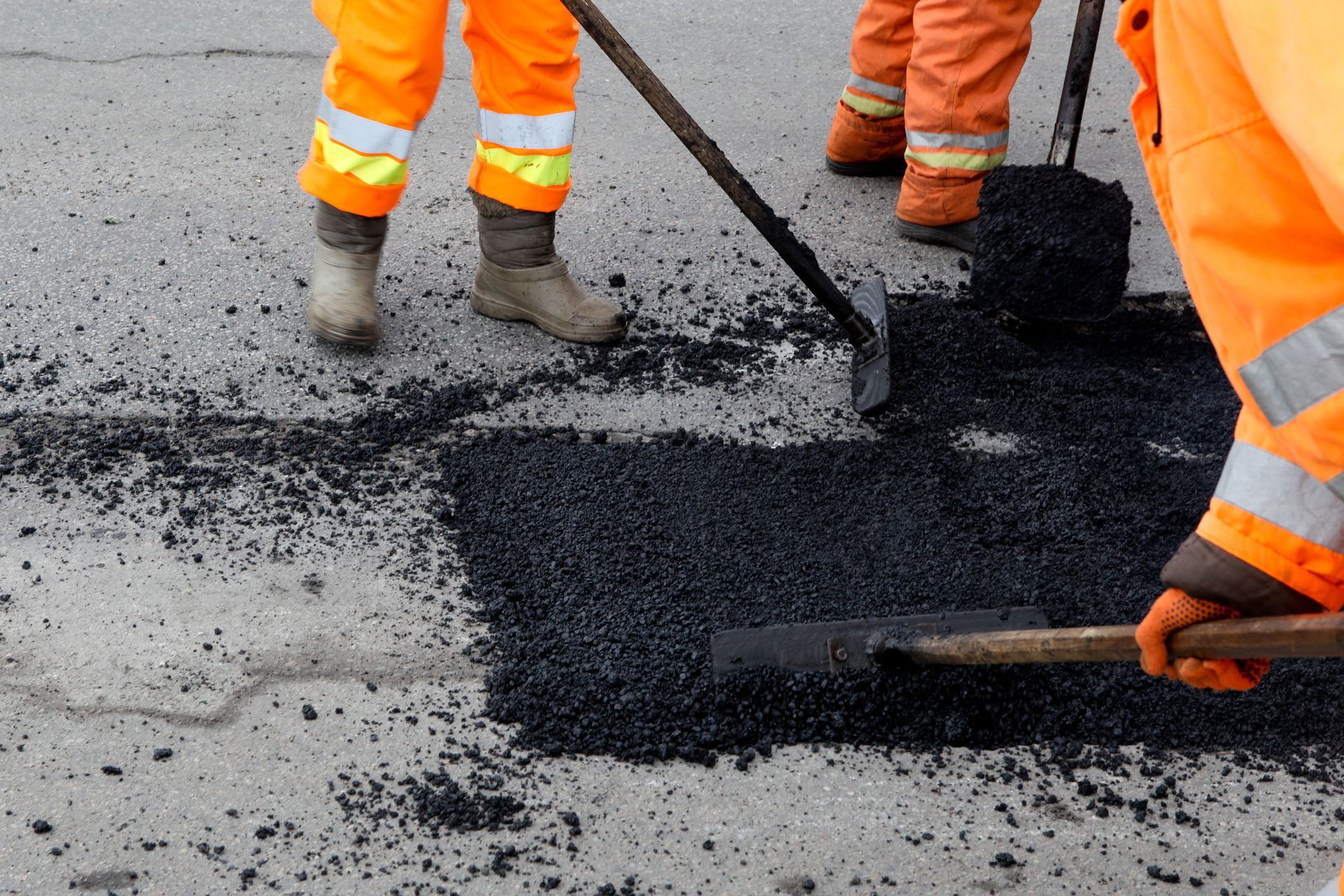
Sealcoating is most effective when it is part of a broader pavement maintenance strategy. Additives can improve selected characteristics, but they cannot correct structural problems beneath the surface. Cracks, drainage concerns, potholes, base failures, and other defects may require separate evaluation and repair.
According to IBIS World, the market size of the Paving Contractors in the US industry in the United States grew at a compound annual growth rate of 2.1% between 2020 and 2025. This industry growth reflects continued activity within the paving sector and underscores the importance of professional services for maintaining and improving paved infrastructure.
Selecting the Right Sealing Approach
Choosing a sealing material should begin with an assessment of the pavement rather than the additive alone. Contractors can consider surface age, wear, traffic, drainage, weather exposure, and property goals and needs. These factors help determine whether sealing is appropriate and what type of material may be suitable.
Timing also matters. In California, dry weather and seasonal conditions can affect when paving and sealing work can be performed effectively. Professional crews can account for pavement temperature, moisture, curing requirements, and site conditions when planning a project.
Protecting Commercial and Residential Pavement
Both commercial and residential properties can benefit from a maintenance strategy based on actual pavement demands. Parking lots, driveways, private roads, and other asphalt surfaces face different traffic and environmental exposure. Additive-enhanced products may provide useful characteristics when correctly matched to the application.
For commercial properties, pavement maintenance can support accessibility, appearance, and orderly traffic movement. For homeowners and property managers, proactive care can help preserve an investment in asphalt. In either setting, professional evaluation provides a clearer understanding of pavement needs.
Evaluating Professional Application
Application quality plays an important role in sealing performance. Even a well-formulated material may perform poorly if pavement is inadequately prepared or if weather and curing conditions are unsuitable. Professional paving crews understand cleaning, surface preparation, application rates, equipment, and job-site conditions. These steps help a blacktop sealer achieve consistent coverage.
Professional services can also help property owners avoid applying a product to pavement that requires more substantial repair. An experienced assessment can identify conditions that should be addressed before sealing and help establish a maintenance schedule based on pavement condition.
Preserving Pavement Value
Additives can make sealing materials more adaptable by improving characteristics such as flexibility, adhesion, weather resistance, appearance, and surface performance. Their benefits are most meaningful when they are part of a carefully selected product and a broader pavement maintenance plan.
Understanding the role of additives also helps property owners set realistic maintenance expectations. A blacktop sealer is one part of pavement care, not a substitute for sound drainage, adequate pavement structure, or timely repairs. Likewise, an additive cannot compensate for unsuitable application conditions.
When a professional evaluates the entire surface, the selected blacktop sealer can be used as part of a coordinated plan. This approach supports maintenance decisions and helps keep paved areas looking orderly through changing seasons and everyday use.
For property owners in California, protecting asphalt from intense sun, moisture, traffic, and changing conditions can support a cleaner appearance and a durable surface. Professional assessment and application can help ensure that the selected treatment fits the pavement and property's needs. A properly maintained asphalt surface can support a property's appearance and everyday use.
Contact California Paving & Grading to discuss your paving and pavement maintenance needs and learn how professional sealing services can help protect your asphalt.