September 18, 2026
As a property manager, facility owner, or homeowner's association board member, you understand that the exterior of your commercial property speaks volumes before a customer even walks through your front door. The condition of your pavement is a direct reflection of your business's commitment to safety, aesthetics, and overall quality. However, asphalt is not a permanent material. It is constantly subjected to harsh elements, including ultraviolet rays from the sun, heavy rainfall, fluctuating temperatures, and the relentless pressure of daily vehicle traffic. Over time, these environmental and mechanical factors lead to unavoidable wear and tear. When cracks, potholes, and faded surfaces begin to appear, property owners are faced with a significant decision regarding how to best restore their pavement. Should you address localized damage with targeted patching, or is it time to invest in a comprehensive full overlay? Making the right choice is critical for your maintenance budget and the longevity of your pavement, which is why consulting a qualified parking lot resurfacing contractor is an essential first step.
The Basics of Asphalt Deterioration
Before deciding between a quick patch and a complete overlay, it is vital to understand why asphalt breaks down in the first place. Asphalt pavement is composed of aggregates — such as crushed rock, sand, and gravel — bound together by asphalt cement, which is a highly viscous petroleum-based product. Fresh asphalt is flexible and rich in oils, allowing it to easily withstand heavy loads and minor ground shifting. However, as the pavement ages, the natural oxidation process causes the binding oils to dry out. The pavement gradually becomes brittle, loses its deep black color, and begins to crack under pressure. Once surface cracks form, water — the ultimate enemy of any paved surface — infiltrates the vital sub-base layer. Moisture softens the foundation, and when heavy vehicles drive over these compromised areas, the asphalt gives way, forming potholes, alligator cracking, and dangerous depressions. By the time these severe issues are visible to the naked eye, the structural integrity of the pavement is already at risk. Having a professional parking lot resurfacing contractor evaluate the extent of the deterioration will help you determine whether the damage is merely superficial or indicative of a failing foundation that requires extensive intervention.
The Process of Asphalt Patching
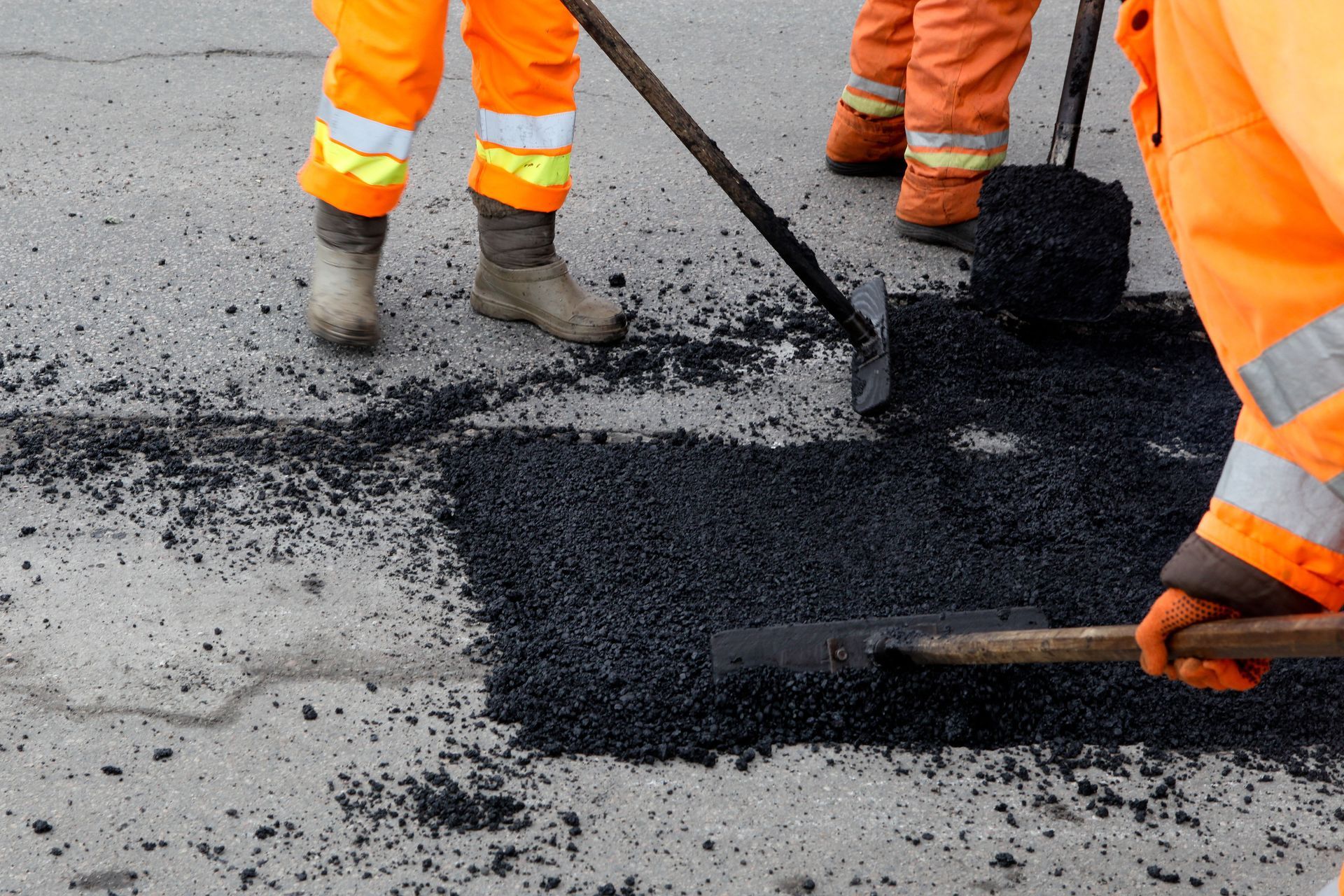
For parking areas suffering from isolated, minor damage, asphalt patching is often the most cost-effective and efficient remedy available. Patching is specifically designed to target localized defects, such as individual potholes, isolated zones of alligator cracking, or specific areas of aggregate raveling, without the need to replace the entire pavement surface. There are generally these primary methods of patching utilized in the industry: surface patching (also known as skin patching) and full-depth removal and replacement. Surface patching involves adding a thin layer of fresh asphalt directly over the damaged area. While highly economical, it is typically a temporary fix. Conversely, full-depth patching is a much more durable, long-lasting solution. During this process, an experienced parking lot resurfacing contractor will use specialized machinery to saw-cut around the perimeter of the damaged asphalt, remove the degraded material entirely, address any structural issues within the gravel sub-base, and then fill the excavated area with hot mix asphalt. The new material is then meticulously compacted to ensure it is perfectly flush with the surrounding pavement. Patching is an excellent way to eliminate safety hazards, prevent further water intrusion in specific spots, and extend the functional life of a parking lot that is otherwise in excellent overall condition.
The Execution of Full Overlays
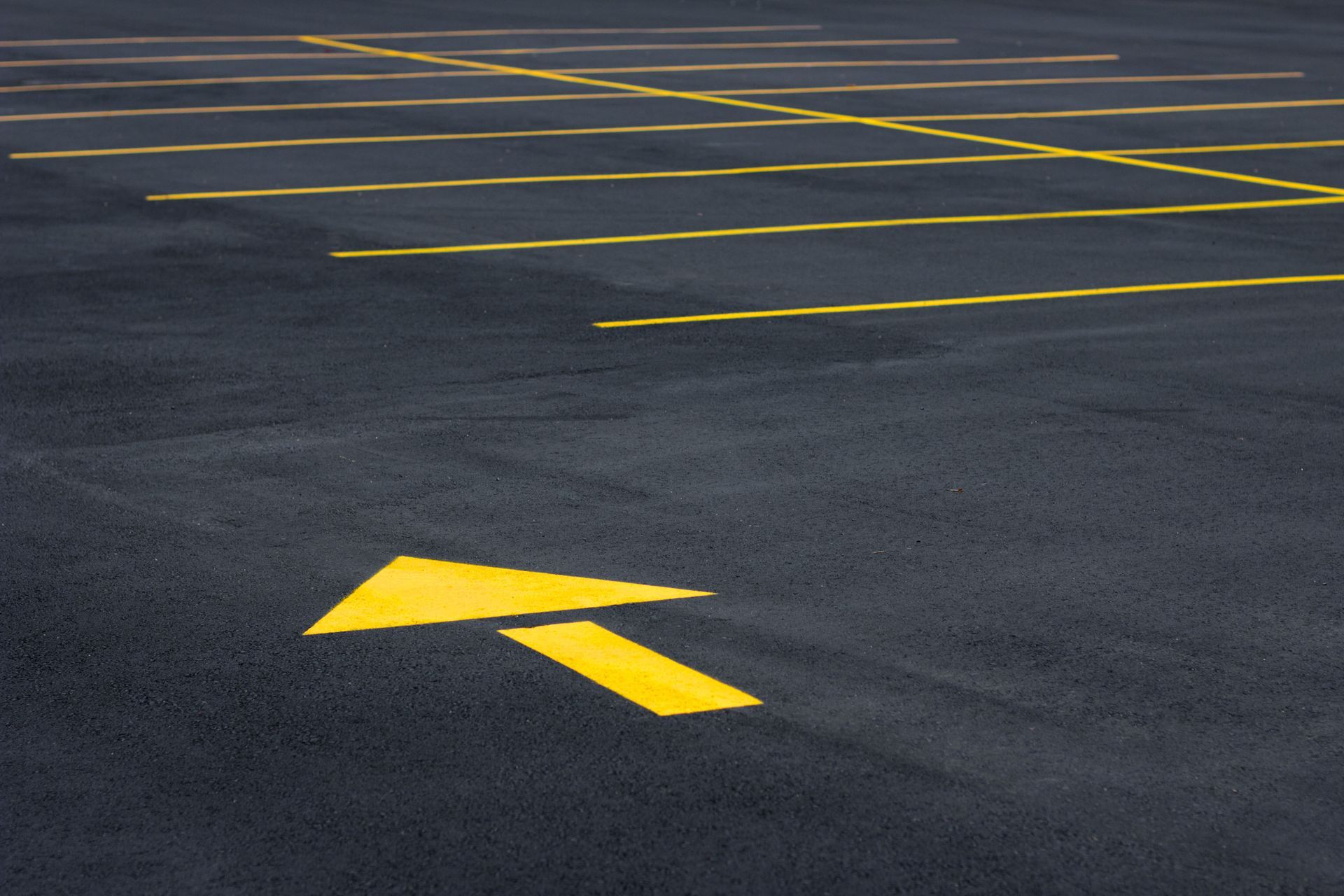
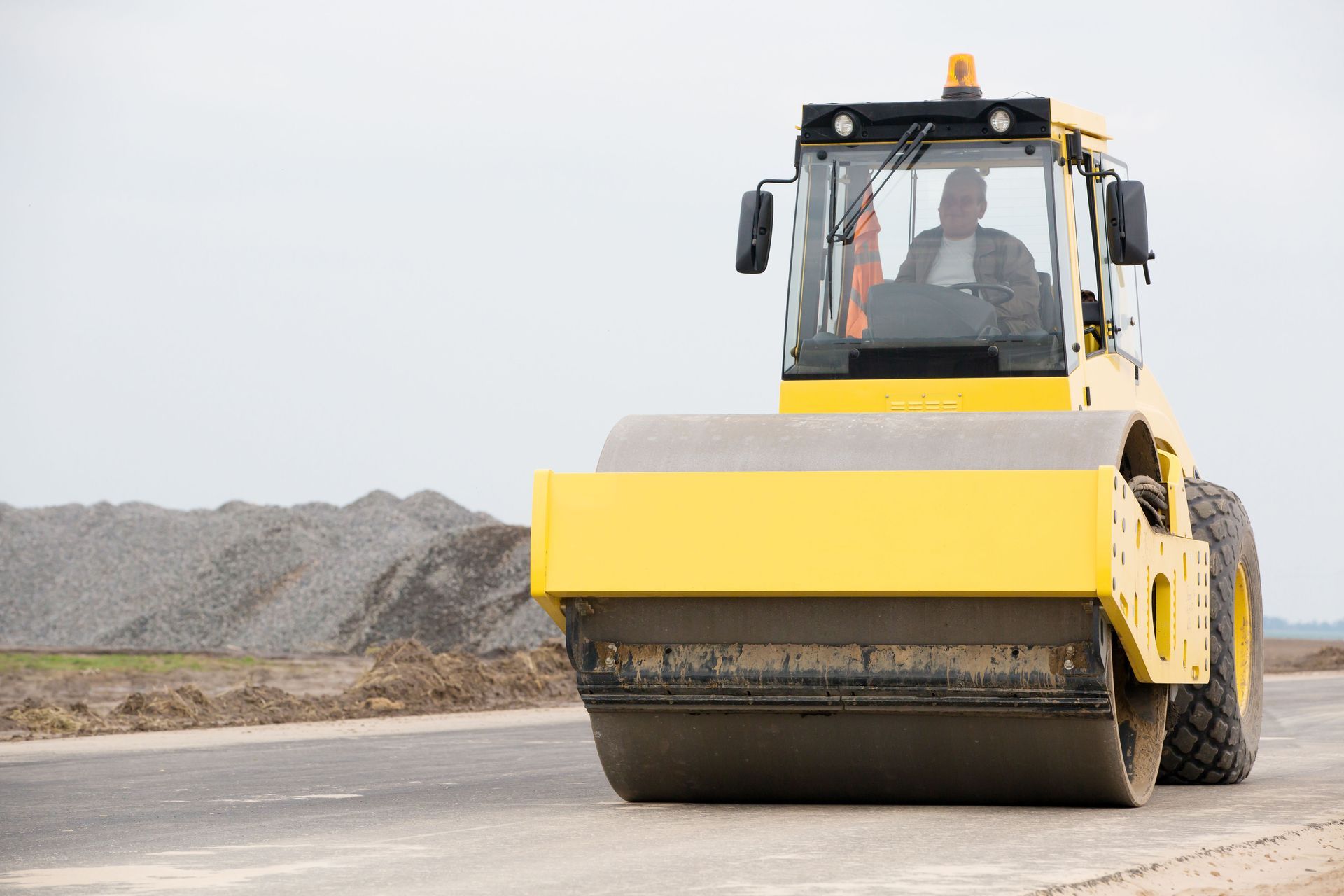
When a parking area exhibits widespread deterioration, extensive alligator cracking, or multiple structural failures across the entire surface, isolated patching is no longer a viable or financially sensible option. In these severe scenarios, a full asphalt overlay — also widely known as resurfacing — is the highly recommended course of action. An overlay involves applying a brand-new layer of hot mix asphalt over the entire existing pavement surface. This method essentially provides a brand-new wearing course, immediately restoring the structural integrity and aesthetic appeal of the property. Before the new asphalt is laid, a skilled parking lot resurfacing contractor will perform extensive site preparation work. This preparation typically includes thoroughly cleaning the surface of debris, filling significant cracks to prevent reflective cracking, and applying a liquid tack coat to ensure strong adhesion between the old and new asphalt layers.
The Economics of Pavement Restoration
Choosing between localized patching and a full overlay is not always a straightforward decision. Several critical variables must be taken into consideration, and an honest assessment of your property is required to make the best financial choice. In our experience, the first major factor is the overall age of the pavement. If your asphalt is under ten years old and only showing isolated signs of stress, patching is likely the most appropriate choice. However, if the pavement is approaching the end of its 15 to 20-year lifespan, throwing money at endless patches is merely a stopgap measure; a comprehensive overlay makes far more economic sense. The second factor is the extent of the damage. A general rule of thumb within our industry is that if more than 25 to 30% of the parking area requires patching, it is much more cost-effective in the long run to proceed with a full overlay. It is highly recommended to ask your parking lot resurfacing contractor to provide a long-term cost-benefit analysis comparing both options, enabling you to make a financially sound decision that aligns with your specific operational needs and property goals.
The Benefits of Asphalt Recycling
A significant, yet often overlooked, aspect of modern asphalt pavement maintenance is its remarkable sustainability and eco-friendliness. Whether you are patching a few isolated potholes or undertaking a massive full overlay project involving extensive surface milling, the old materials removed from your property do not end up rotting in a local landfill. Asphalt proudly holds the impressive title of being the most recycled material in the United States, surpassing paper, plastic, and glass combined. According to NAPA, over 96% of reclaimed asphalt goes into new pavements, while the other 4% serves civil engineering uses. This extraordinary recycling rate means that the old, deteriorated asphalt removed from your property is crushed, reprocessed, and seamlessly integrated back into fresh hot mix asphalt for future paving projects across the state. This closed-loop recycling process drastically reduces the demand for virgin aggregates and new petroleum binders, significantly lowering the overall carbon footprint of the commercial paving industry. By ensuring that your chosen parking lot resurfacing contractor adheres to modern sustainable practices and utilizes recycled asphalt pavement (RAP) in their mixes, you are directly contributing to vital environmental conservation efforts while simultaneously benefiting from high-quality, exceptionally durable pavement materials.
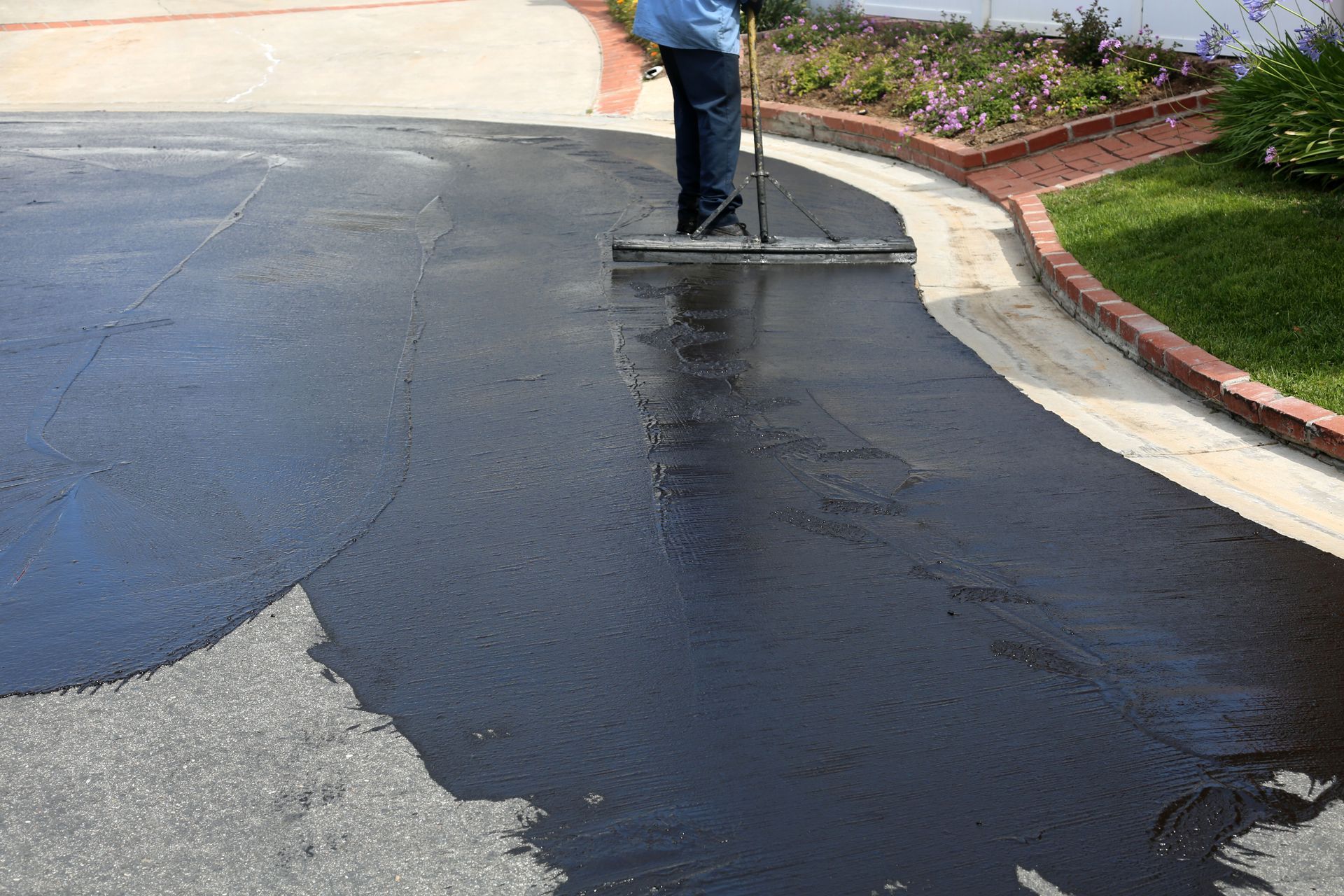
Remember that neither patching nor resurfacing is a universal, one-size-fits-all solution; the absolute correct approach depends entirely on the unique conditions of your current pavement, the physical strength of the underlying subgrade, and your long-term maintenance budget. Partnering with a reliable parking lot resurfacing contractor ensures that you receive an accurate, honest diagnosis of your pavement's health and a scientifically sound recommendation tailored to your specific commercial needs. Through proper initial assessment, professional execution, and ongoing preventative maintenance strategies like sealcoating and hot rubberized crack filling, you can maximize the lifespan of your asphalt and keep your property looking its absolute best for many years to come.
If your commercial pavement is showing undeniable signs of severe wear and tear, do not wait for the damage to escalate into a costly liability or a safety hazard for your visitors. Rely on the unmatched expertise of seasoned professionals to restore your property’s curb appeal and structural safety. Contact California Paving & Grading today to schedule a comprehensive, no-obligation site evaluation.