August 18, 2026
This article aims to provide a comprehensive comparison between professional blacktop sealers and retail sealing products available to consumers. The differences between these products can significantly affect maintenance needs and cost-effectiveness over time. Applying commercial-grade blacktop sealers helps preserve driveway elasticity while preventing costly water penetration. Performance metrics, ease of application, and cost all contribute to making the right choice for various paving needs. Understanding these aspects will help you tailor your purchase decision, thus maximizing both the lifespan and quality of your blacktop surfaces. By analyzing these numerous factors, we seek to empower you to make an informed decision suitable to your specific circumstances and requirements.
Analysis of Composition and Chemical Properties
Quality of Binders and Fillers
Professional blacktop sealers typically contain high-quality binders that offer enhanced longevity and superior adherence to surfaces. These binders are formulated to withstand environmental stresses and maintain structural integrity over time. Conversely, retail products often use more cost-effective binders, which may compromise on these advanced features. The choice of binders affects not only the immediate appearance but also how long the sealing will last before reapplication is needed. Ultimately, the fillers included in professional products are designed to optimize performance, whereas those in retail variants may focus more on cost savings.
Fillers serve the dual function of reducing cost and enhancing the beneficial characteristics of the sealer. In professional blacktop sealers, fillers are intended to improve the product's durability and resistance to environmental factors. Retail products might skimp on these high-grade fillers to reduce costs, possibly compromising the product's performance. The choice between the two often boils down to whether quality or budget is the more pressing concern. Being aware of these compositional differences is essential in selecting a product that aligns with your goals for longevity and performance.
Tolerance to Temperature and Climate
Understanding how blacktop sealers perform under various temperature and climate conditions can significantly impact their application. Professional sealers often boast the ability to resist extreme temperatures, both hot and cold, preserving the sealer's integrity over long periods. Products designed for professional use frequently incorporate special formulations to maintain flexibility and avoid cracking during freeze-thaw cycles. In contrast, retail sealers might lose efficacy under such temperature variances, requiring additional applications and thus increasing overall maintenance. Consequently, climate plays an influential role in determining which product is most suitable, especially in regions with drastic seasonal changes.
Heat retention is another crucial factor when selecting a blacktop sealer. Manufacturers of high-grade blacktop sealers understand that high temperatures can cause the sealer to become brittle and fail prematurely if not formulated correctly. As such, they may include heat-resistant additives to counteract this issue. Conversely, retail sealers might focus less on specialized temperature resistance, instead homogenizing their products for broader appeal. This trade-off could prove detrimental in particularly hot or variable climates, leading to quicker degradation and the necessity for more frequent sealing.
Enhancement of Appearance and Longevity
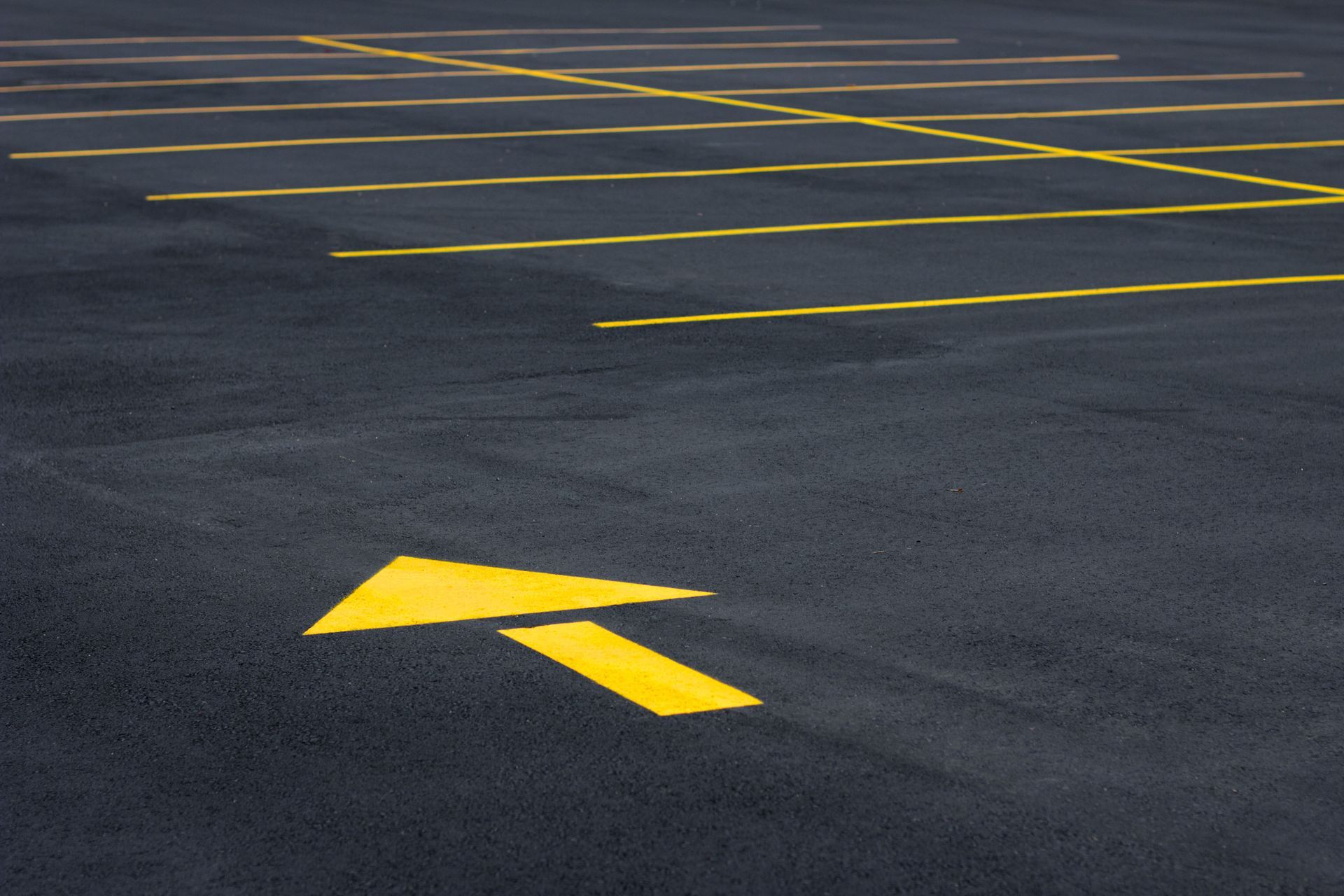
The aesthetic appeal of a sealed blacktop surface is often one of its most immediate benefits. Professional blacktop sealers are designed to offer a polished, uniform finish, enhancing curb appeal considerably. This improved appearance often endures over time, reflecting the sealer's superior formulation and ability to resist the wear-and-tear of various environmental factors. Retail products, while offering a reasonable visual uplift, might not maintain this effect as efficiently. Thus, the choice between a professional or retail product can directly impact both immediate aesthetics and long-term satisfaction.
Longevity is a primary consideration when assessing blacktop sealers. According to HomeGuide, with proper preparation and materials, an asphalt driveway can last between 15 and 30 years. Professional blacktop sealers usually contribute significantly to reaching this optimal lifespan due to their resilience against environmental stressors. Retail products may offer a more budget-friendly option but often require more frequent reapplication, which can erode the time and financial benefits over the long term. Selecting the right sealer, therefore, involves balancing an understanding of short-term appearance goals with longer-term durability needs.
Evaluation of Application Process Requirements
Execution of Preparation Requirements
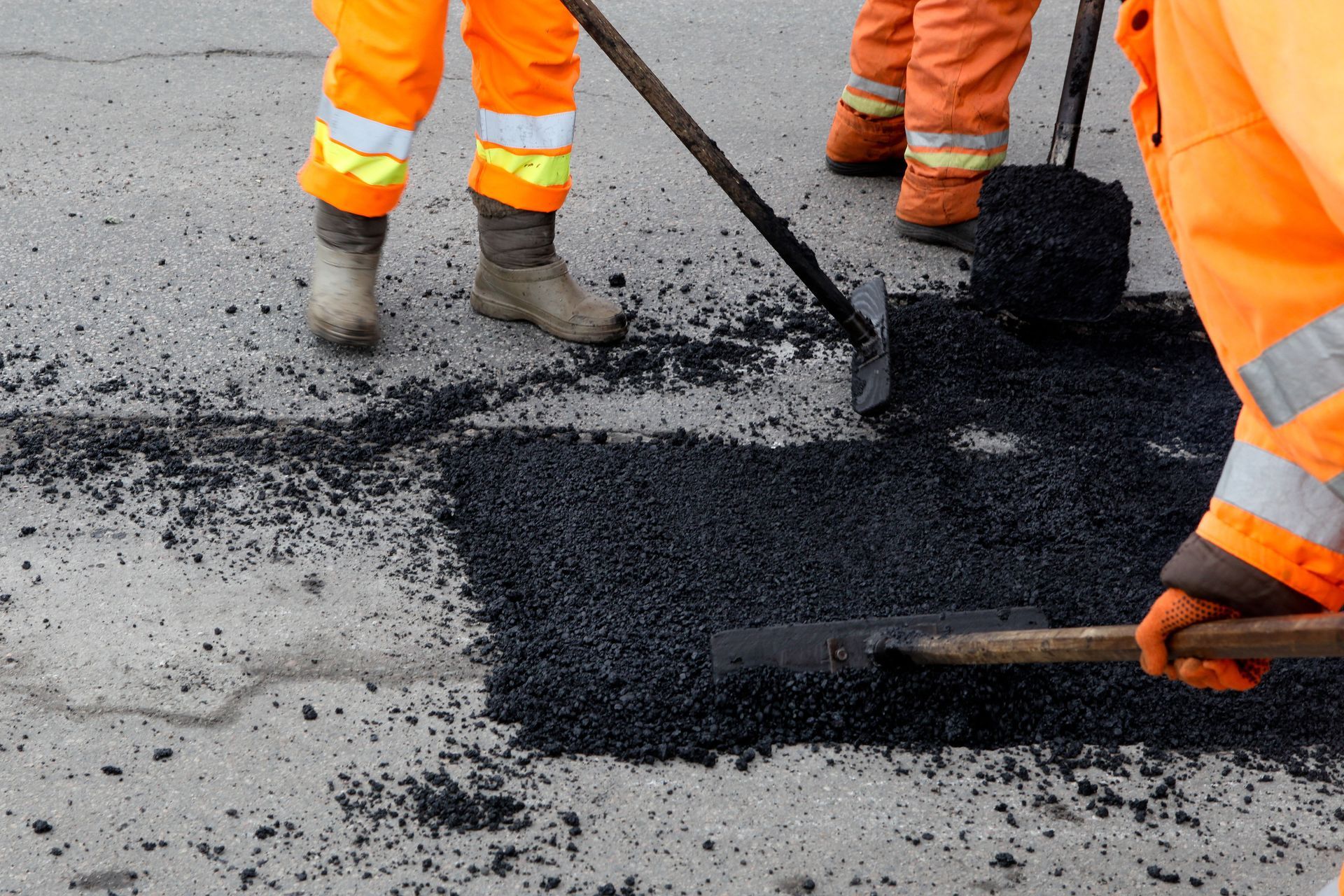
Preparation is a crucial component of the sealing process, and different products necessitate varied levels of effort. Professional-grade blacktop sealers often require meticulous preparation, involving thorough cleaning and crack filling to ensure optimal adherence and performance. This level of detail enhances longevity, making the preparation time a worthwhile investment. Conversely, retail products typically target a simpler application process, advocating for less intensive preparation. While this approach suits immediate needs, it might not deliver the same long-term durability achievable with professional attention to detail during preparation.
Cleaning protocols often distinguish the preparation requirements of professional sealers from those of retail versions. Preparing a surface for professional sealing might involve power-washing, using specialized detergents, and ensuring absolute dryness before application. This methodical approach maximizes surface adherence and sealer performance, ideally aligning with scenarios demanding extended longevity. On the other hand, retail customers may favor ease and rapidity over the benefits of comprehensive preparation, often resorting to less exhaustive cleaning measures. This simplification can introduce performance risks when faced with demanding environmental or traffic conditions.
Utilization of Application Tools and Techniques
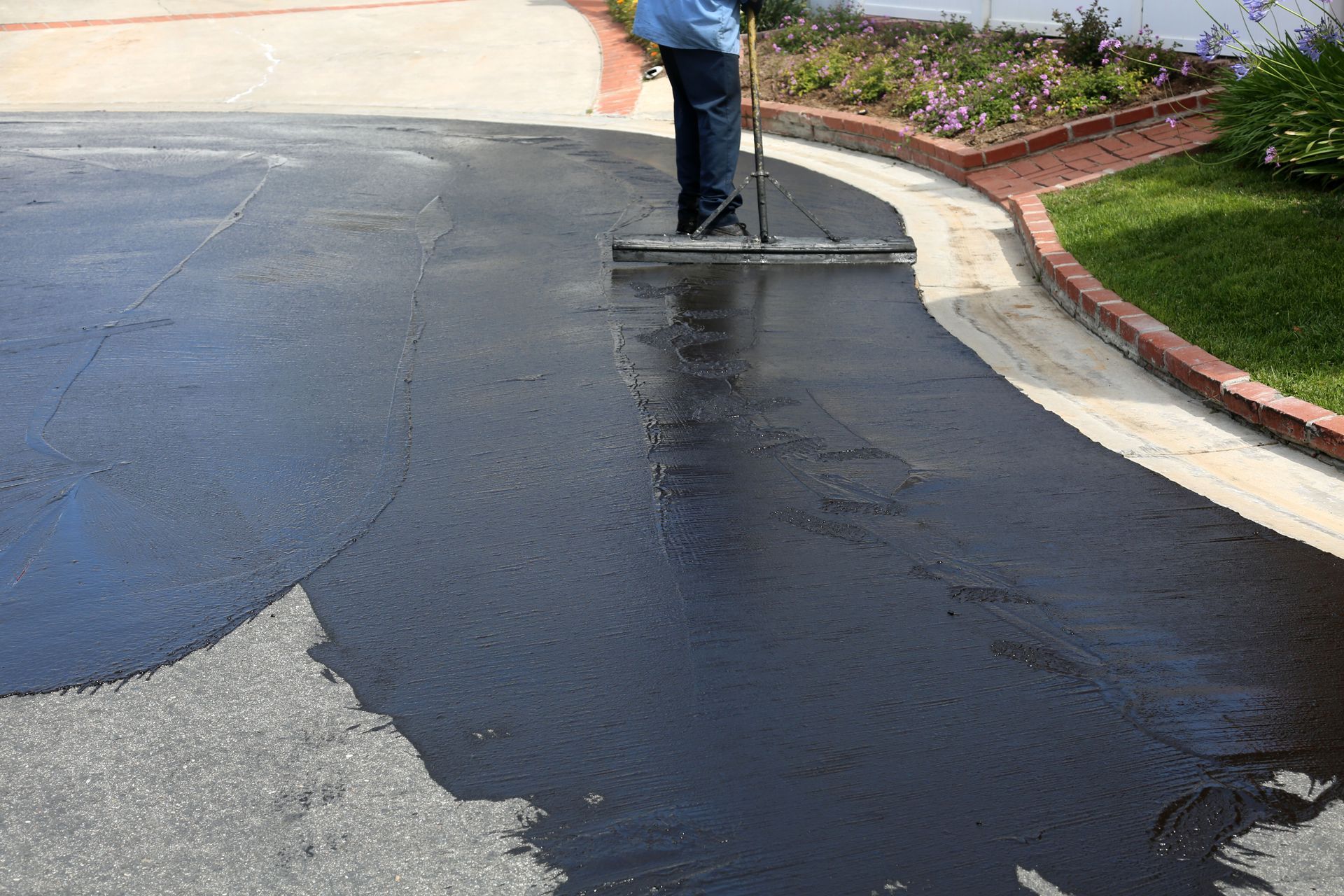
Defining the required tools and techniques is essential to achieving successful blacktop sealing, impacting both the short-term appearance and long-term effectiveness. Professional products often necessitate specialized equipment, such as sprayers or sealcoating machines, to ensure uniform application. These tools deliver a consistent coat, optimizing reflectivity, durability, and appearance. Conversely, retail products might be applied using simple hand tools like brushes or rollers, offering convenience but potentially lacking precision. This divergence underscores the importance of matching application tools and techniques with the specific product and project goals.
While professional techniques often demand skilled users knowledgeable in specialized equipment handling, they drastically improve the application quality. Training or experience may be required to operate machinery effectively, making professional sealing projects best left to experts. While this approach encourages consumer self-sufficiency, it can sacrifice some benefits offered by professional-grade machinery and techniques. As a result, consumers must consider the trade-offs between ease of use and potential application precision.
Management of Drying Times and Setting
Understanding drying times and setting requirements is integral to successfully sealing an asphalt surface. Professional sealers, typically designed for optimal performance, feature extended drying periods to maximize surface bonding and longevity. These products often demand a controlled environment during setting, such as clear and stable weather conditions, to achieve the best results. Retail products, however, aim for faster drying times, accommodating consumer needs for rapid project completion. This acceleration may introduce limitations, impacting the product's overall durability and effectiveness in challenging environments.
Setting conditions possess the potential to influence a sealer's performance substantially. Professional products emphasize comprehensive adherence, necessitating unbroken exposure to favorable environmental conditions during drying. This approach minimizes risk, ensures enhanced performance longevity, and often justifies the extended curing schedule. By contrast, retail products, targeting accessibility and convenience, promote variable setting conditions, accepting trade-offs in durability. In selecting a product, factoring these elements ensures the selected sealant aligns optimally with the intended use case.
Evaluating the performance of commercial blacktop sealers versus off-the-shelf retail products reveals distinct trade-offs between short-term cost and long-term durability. Proper surface preparation, combined with precision commercial application equipment, maximizes pavement flexibility and prevents severe cracking caused by weather cycles. Investing in higher-quality sealing materials ultimately saves money by minimizing reapplication frequency and protecting structural pavement integrity.
Protect your driveway and preserve your pavement investment today by contacting California Paving & Grading for a professional sealcoating quote!