July 15, 2026
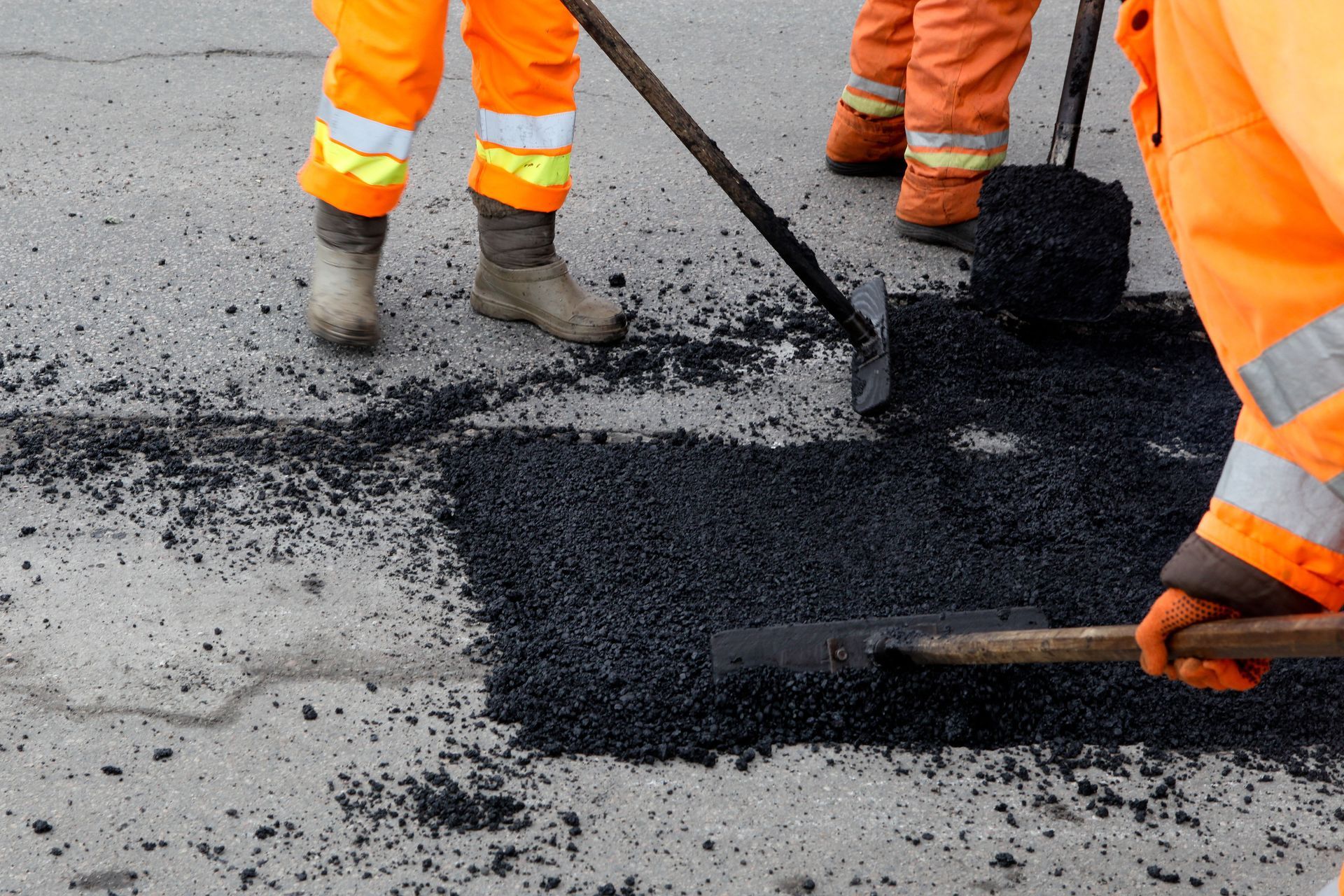
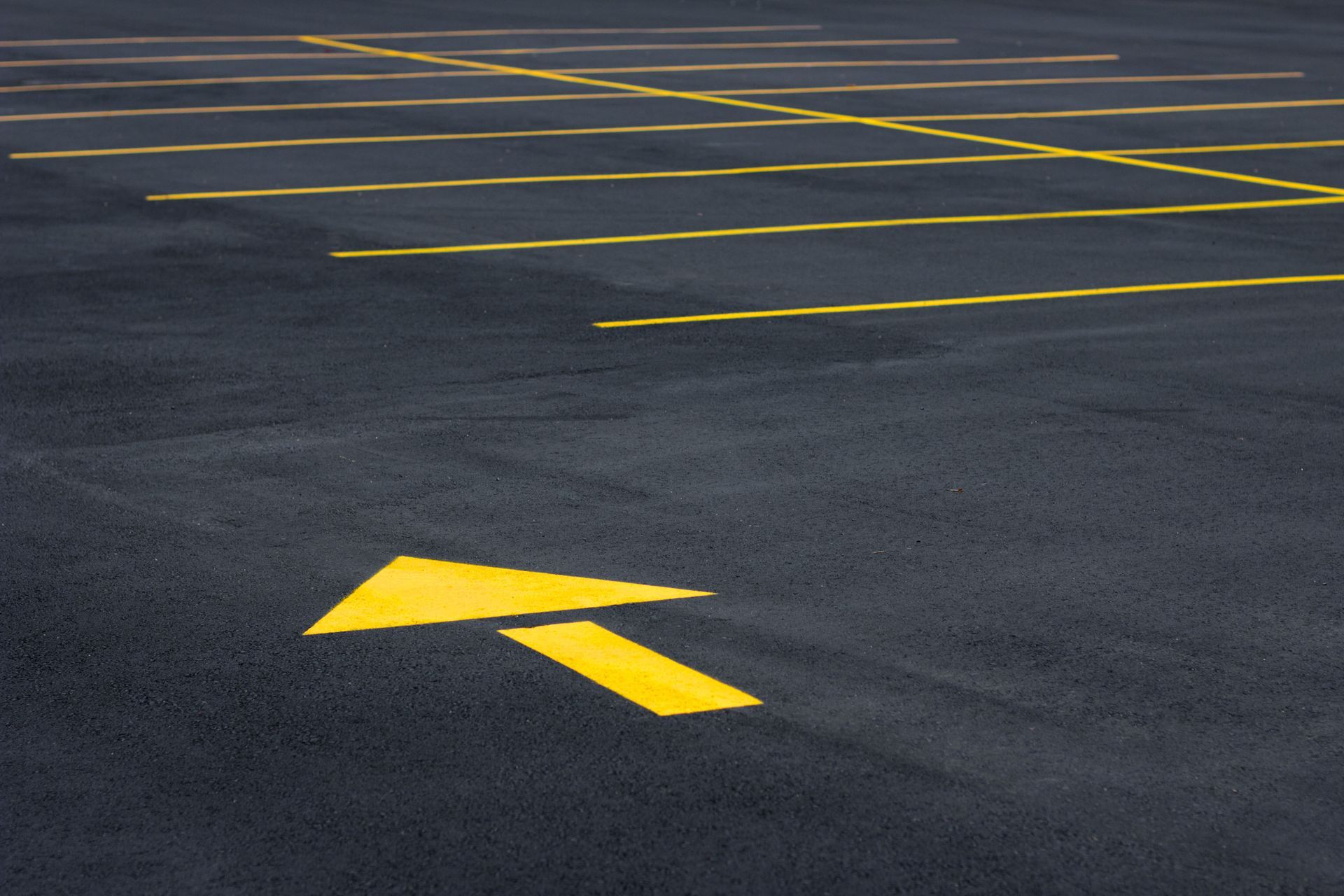
A durable parking lot is a reflection of a well-run business. When property managers ignore standard maintenance routines, surfaces quickly deteriorate. The process of commercial asphalt paving requires skill, precision, and a solid understanding of structural requirements. Errors during installation lead to costly repairs and unexpected safety hazards. From sprawling retail centers to small office parks, poor surface conditions create immense liabilities for property owners. Focusing on correct installation techniques prevents these frustrating long-term problems from developing early.
Property owners often rush projects to minimize disruption. This urgency sometimes means contractors won't follow strict procedures. Skipping crucial steps during installation guarantees future failures. Potholes, extensive cracking, and uneven surfaces are clear signs of a flawed initial approach. Identifying frequent errors helps property managers hire competent contractors. Knowing exactly what to watch for during a project ensures a much longer lifespan for your pavement. We will examine four frequent missteps that compromise paved surfaces and explore how to avoid them.
1. Skipping Proper Subgrade Preparation
With more than 139,000 paving contractor businesses across the U.S., according to IBISWorld, finding a knowledgeable team is essential for your project. Many companies fail because they don't prioritize the foundation. The subgrade provides crucial structural support for the entire surface. If the dirt beneath the surface is unstable, the pavement above it will inevitably fail. Contractors must compact the soil thoroughly before adding any stone base. Soft spots in the earth shift over time under the weight of vehicles.
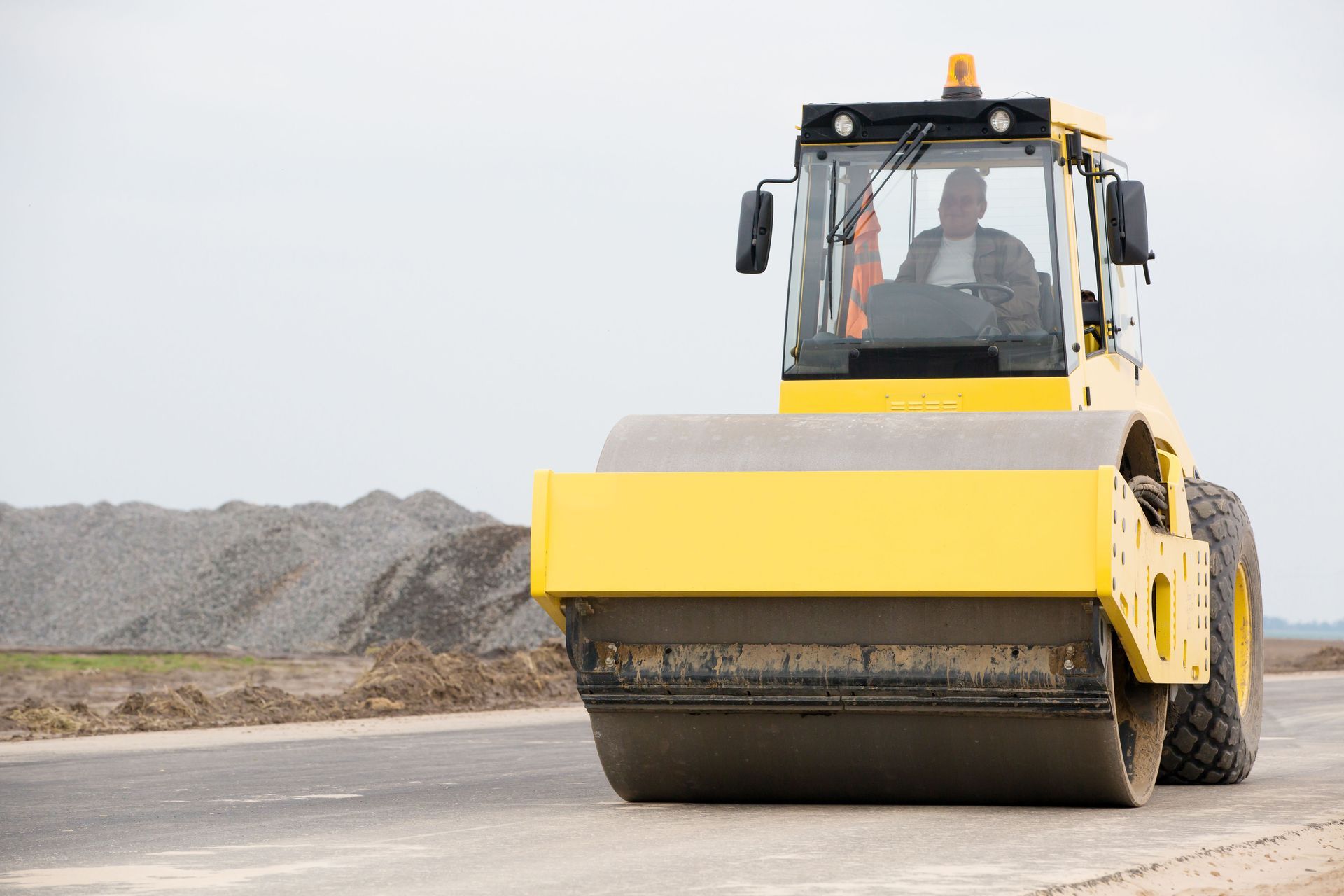
A weak foundation causes the top layers to bend and crack. Professionals use heavy rollers to achieve the correct soil density. If the ground contains too much moisture, contractors need to dry it out or replace it with suitable materials. Rushing this step leaves pockets of air and soft soil. When heavy trucks drive over these weak zones, the pavement collapses inward. A solid, dependable base is absolutely non-negotiable for achieving lasting results.
Testing the subgrade prevents immediate structural failures. To identify soft areas, contractors often drive over the prepared dirt in a loaded dump truck. If the soil ruts or pumps, the team will excavate and rebuild that section. A successful commercial asphalt paving project relies heavily on this invisible foundation. Spending extra time preparing the dirt saves thousands of dollars in premature replacement costs. Proper compaction sets the stage for success.
2. Ignoring Drainage Issues
Water is the biggest enemy of commercial asphalt paving. Failing to plan for water runoff destroys new surfaces in a matter of months. Pavement must have a slight slope to direct rainwater toward catch basins or grassy areas. Without adequate sloping, water forms large puddles on the surface. Standing water seeps into microscopic cracks and weakens the internal structure rapidly. Over time, the moisture completely breaks down the chemical binders holding the aggregate together.
During the winter, trapped water freezes and expands. This expansion forces the pavement apart, creating wide cracks and deep potholes. Contractors must calculate the exact pitch required for effective drainage. The industry standard requires at least a two percent slope for proper runoff. If a parking lot is left completely flat, the entire drainage system will fail. Proper grading during the initial earthwork phase prevents pooling water from becoming a persistent hazard.
Installing proper drains is just as critical as grading. Catch basins must sit flush with the surrounding surface. If a drain is too high, water pools around it instead of flowing inside. If it is too low, it creates a dangerous dip for vehicles and pedestrians. Correctly positioned drains protect the structural integrity of the entire property. Careful attention to water management extends the lifespan of the pavement significantly.
3. Using the Wrong Material Mix
Blacktop isn't all the same. Using a generic material mix for every project is a massive error. Different properties experience widely different traffic patterns and weight loads; for instance, a busy loading dock requires a much stronger mix than a small employee parking lot. Heavy trucks exert immense physical pressure on the surface. If the material is too soft, the tires create deep ruts and depressions in the traffic lanes. Matching the exact material to the usage is vital.
The climate also dictates the appropriate material selection. Regions with extreme heat need a stiffer mix to prevent rutting during the summer. Cold climates require flexible mixtures that resist cracking during freezing temperatures. The wrong commercial asphalt paving mix degrades rapidly under local weather conditions. Contractors must analyze the specific environment and traffic volume carefully before ordering any materials. A custom approach ensures the surface withstands daily wear and tear without failing prematurely.
Surface friction is another factor dictated by the mix design. High-traffic areas need larger aggregates to provide grip for tires, especially during rainstorms. Finer aggregates create a smoother finish suitable for walking paths but lack the durability for heavy vehicles. Applying the wrong aggregate size compromises safety and longevity. Property managers should always discuss detailed material specifications with their hired contractors. The correct formula provides a durable, safe, and functional surface for decades.
4. Neglecting Regular Maintenance
Many property owners assume their new pavement doesn't require upkeep. This mindset guarantees a drastically shortened lifespan for the surface. Ultraviolet rays from the sun oxidize the surface, turning it brittle and gray. This oxidation process leaves the material vulnerable to crumbling under pressure. Small surface cracks inevitably form as the pavement ages and naturally settles. Ignoring these minor flaws allows them to grow into severe structural defects.
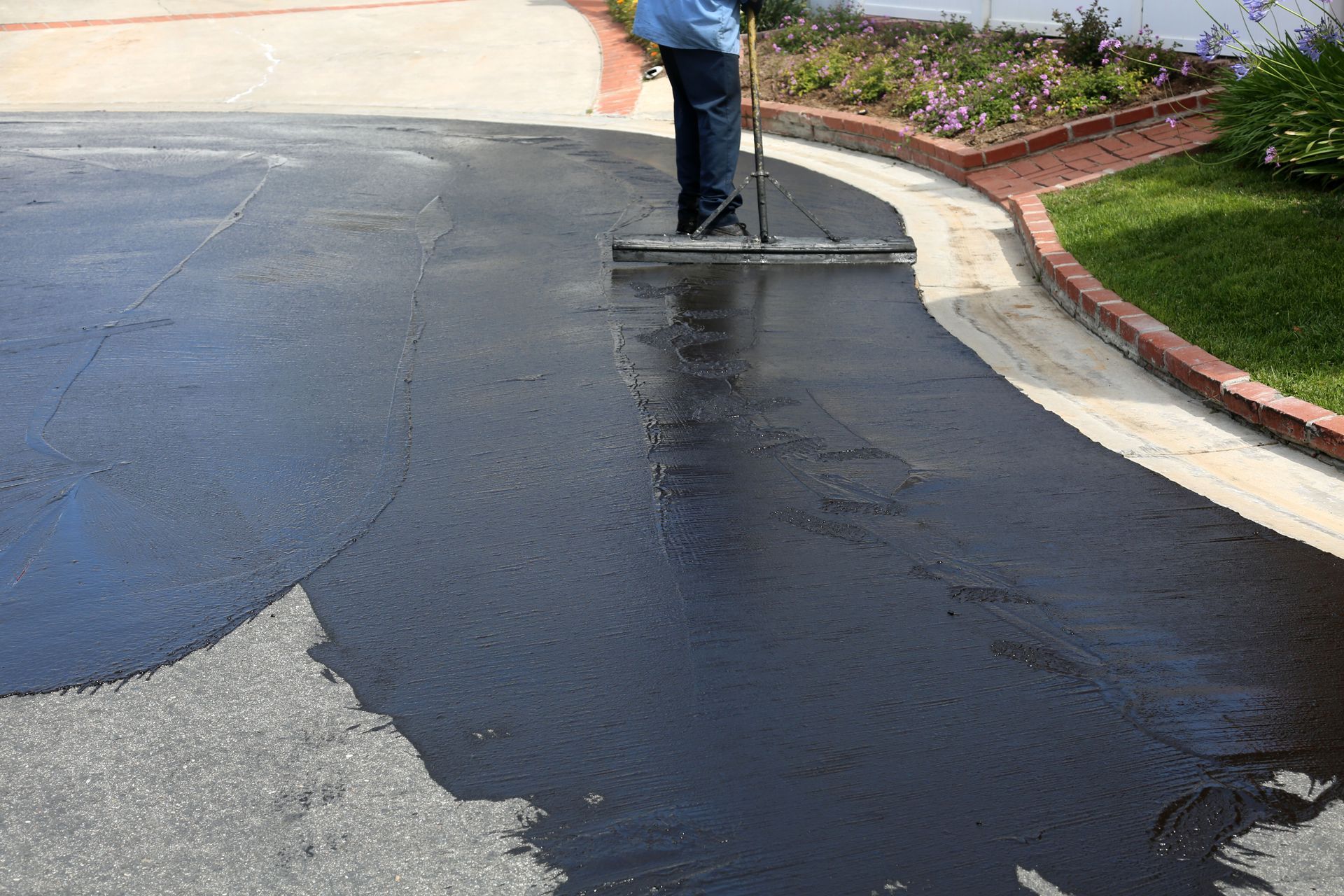
Sealcoating provides a protective barrier against the elements. It blocks out water, ultraviolet rays, and chemical spills. Oil and gas leaks from vehicles dissolve the binding agents in the pavement. A fresh layer prevents these fluids from penetrating the surface. Professionals recommend applying a sealer every two to three years. This simple procedure restores the deep black color and improves the overall curb appeal of the property.
Crack sealing is equally important for preserving commercial asphalt paving. Filling small fissures prevents water from reaching the subgrade. When contractors seal cracks early, they stop potholes from forming. Property managers must inspect their lots annually for signs of damage. Sweeping away debris and cleaning chemical spills immediately also helps maintain the surface. Proactive care is always cheaper than a complete structural replacement. Consistent upkeep ensures a safe environment for everyone.
Avoiding these frequent errors ensures a solid, reliable return on your overall investment. Successful commercial asphalt paving requires careful planning, skilled execution, and ongoing attention. Property owners must prioritize foundation work over quick completion times. Proper drainage systems prevent water from destroying the surface from the inside out. Selecting the appropriate material mixture guarantees that the pavement can handle local traffic and weather conditions. Committing to a strict maintenance schedule keeps the property safe and visually appealing.
Replacing an entire parking lot is a massive financial expense for any business. By understanding these common pitfalls, you can hold contractors accountable during the installation process. Ask questions about subgrade testing, drainage plans, and material specifications before signing a contract. A well-built surface provides a smooth, hazard-free experience for employees and customers alike. Paying close attention to all the details now prevents major headaches later. Quality installation practices always yield lasting results that protect your bottom line.
If you're ready to protect your property from these mistakes, contact California Paving & Grading today to schedule your commercial asphalt paving services.