July 17, 2026
A well-maintained parking lot or access road does more than just facilitate smooth traffic flow; it shapes the initial impression visitors, clients, and tenants form about an enterprise. Investing in professional commercial asphalt paving represents a substantial commitment of capital, and proactive maintenance is the most effective mechanism to safeguard that investment. Neglecting a paved surface leads to accelerated deterioration, resulting in costly premature failure and potential safety liabilities. By implementing a systematic maintenance regimen, property managers and asset owners can significantly extend the longevity of their surfaces while sustaining an appealing aesthetic. By understanding the core factors that contribute to surface degradation, property managers can implement proactive measures that defend against daily wear. Ultimately, an organized approach to pavement management optimizes operational safety and elevates property value simultaneously. This comprehensive guide outlines structural strategies and everyday best practices to ensure your asphalt remains resilient against environmental stressors and vehicular wear.
Implementing Proactive Maintenance Strategies
Establishing Routine Inspection Protocols
Consistently reviewing the state of a paved surface is the foundational step in mitigating long-term structural failures. Property owners should conduct comprehensive walk-throughs at least twice a year, ideally during the transition into spring and prior to the onset of winter. During these assessments, look closely for minor structural vulnerabilities such as hairline fractures, subtle depressions, or localized color fading. Catching these indicators early prevents small anomalies from developing into deep-seated failures that compromise the underlying base materials.
Executing Timely Crack Sealing
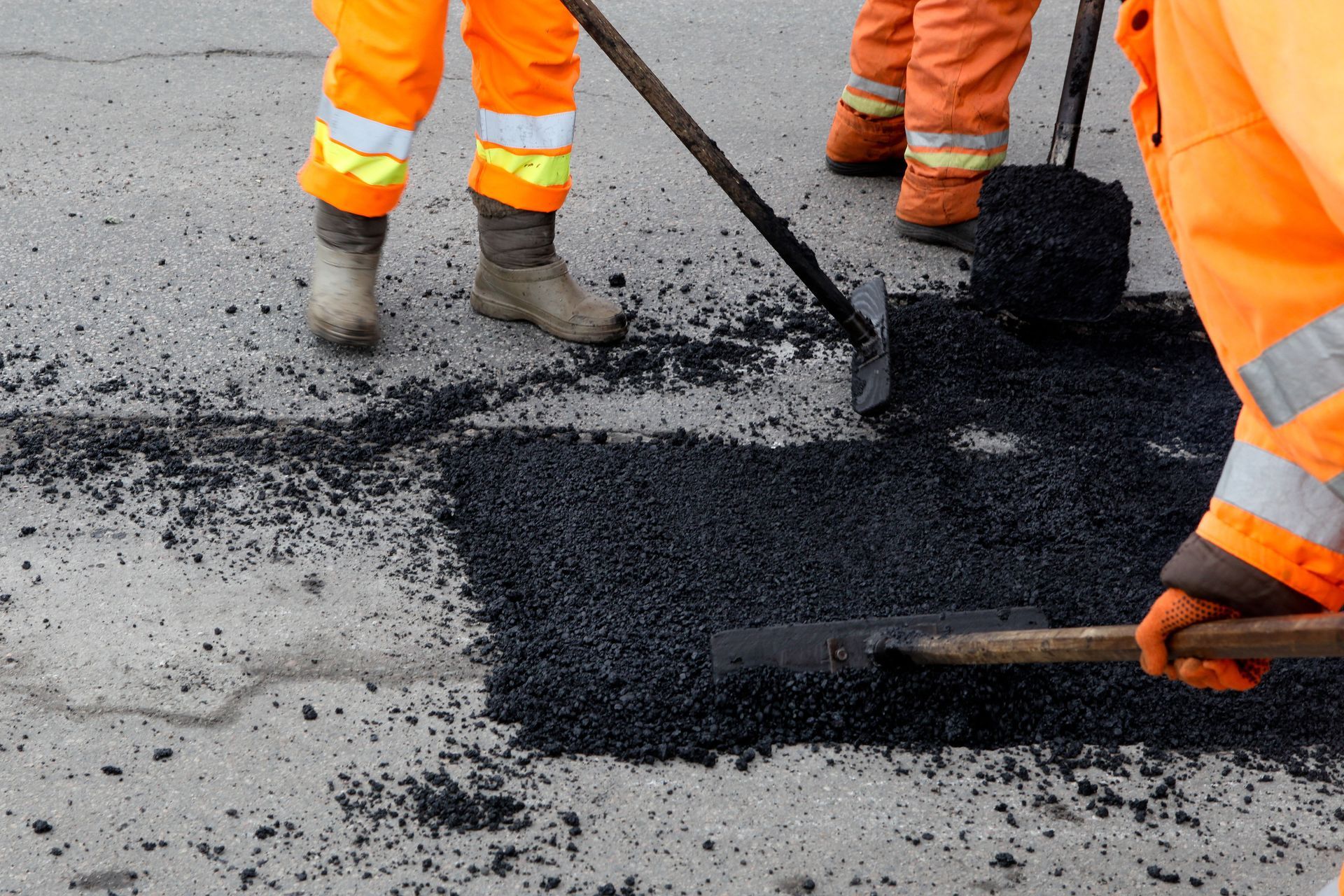
Moisture is the primary adversary of any paved surface. When rainwater or irrigation runoff penetrates surface fractures, it travels downward into the sub-base, softening the foundational soil. In regions experiencing temperature fluctuations, this trapped water undergoes freeze-thaw cycles, expanding and breaking apart the surrounding material from within. Sealing small fractures as soon as they appear creates an impermeable barrier against moisture intrusion, stabilizing the integrity of the commercial asphalt paving. This simple intervention prevents the development of deep potholes that disrupt traffic and cause vehicle damage. Neglecting these minor fissures allows water to wash away sub-grade soils, leading to widespread structural sagging.
Administering Periodic Sealcoating Applications
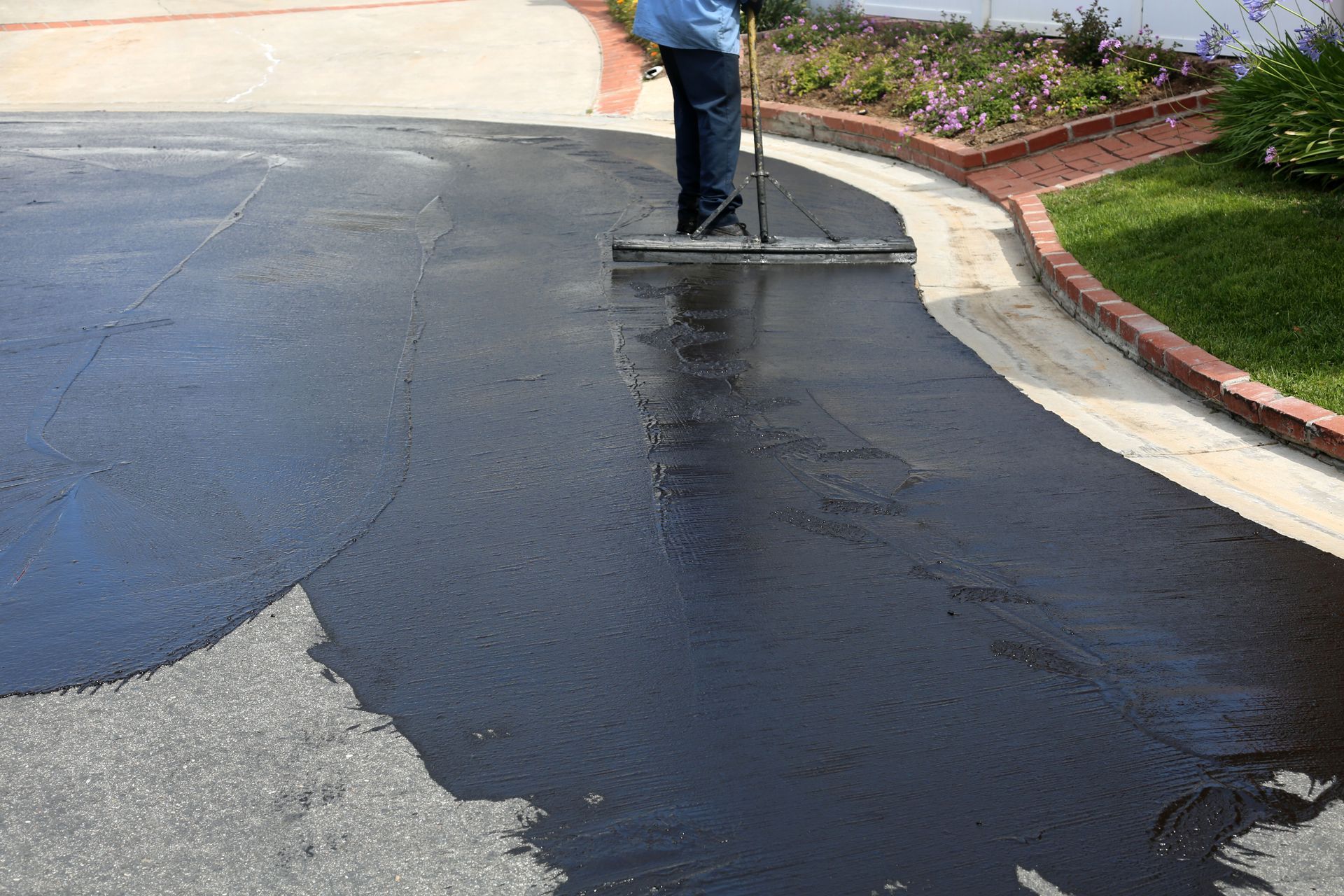
Exposure to solar radiation, oxygen, and automotive fluids naturally degrades the chemical binders inherent in asphalt. Over time, this oxidation process transforms a rich, dark surface into a brittle, grey expanse prone to crumbling. Periodic sealcoating acts as a protective shield, absorbing the brunt of ultraviolet rays and blocking chemical spills. Applying a fresh seal coat every few years revitalizes the appearance of the property and adds an essential layer of defense that keeps the pavement flexible and resilient.
Managing Environmental and Surface Elements
Ensuring Adequate Drainage Design
Standing water is a clear sign of current or impending structural failure. Pavement must be precisely engineered to direct water away from traffic lanes and toward designated drainage catchments. When water pools on commercial asphalt paving, it progressively weakens the surface matrix and strips away the aggregate binding material. Regular maintenance involves ensuring that catchments, gutters, and culverts remain entirely free of debris so that runoff can exit the property efficiently without saturating the surrounding infrastructure.
Practicing Meticulous Debris Removal
Accumulated organic material, such as leaves, dirt, and windblown trash, retains moisture against the pavement surface for extended periods. As organic matter decomposes, it can produce acidic compounds that slowly erode the asphalt binder. Furthermore, windblown seeds can take root within existing microscopic cracks, causing roots to expand and forcefully widen the fractures. Sweeping the surface mechanically on a regular schedule eliminates these biological hazards and maintains a pristine appearance.
Addressing Chemical Contamination Swiftly
Commercial parking spaces and loading zones are frequently subjected to oil drips, fuel spills, and fluid leaks from parked vehicles. Petroleum-based fluids are highly solvent and naturally chemically miscible with asphalt binders. If left unaddressed, these fluids dissolve the bond between the asphalt cement and the aggregate stone, resulting in soft, unstable spots that quickly ravel into deep potholes. Promptly applying absorbent materials to fresh fluid spills prevents deep chemical absorption.
Undertaking Specialized Surface Interventions
Enhancing Structural Integrity With Petromat Overlays
When an existing paved surface exhibits widespread superficial cracking but retains a fundamentally sound sub-base, full demolition is often unnecessary. Utilizing specialized petromat overlays offers a highly durable intervention strategy. This process involves installing a non-woven, stress-relieving geotextile fabric between the existing distressed pavement and a fresh layer of asphalt. The specialized fabric acts as a waterproofing membrane and a stress-absorbing interlayer, significantly delaying reflective cracking and extending the operational lifespan of the commercial asphalt paving.
Correcting Sub-Grade Weakness Through Fine Grading
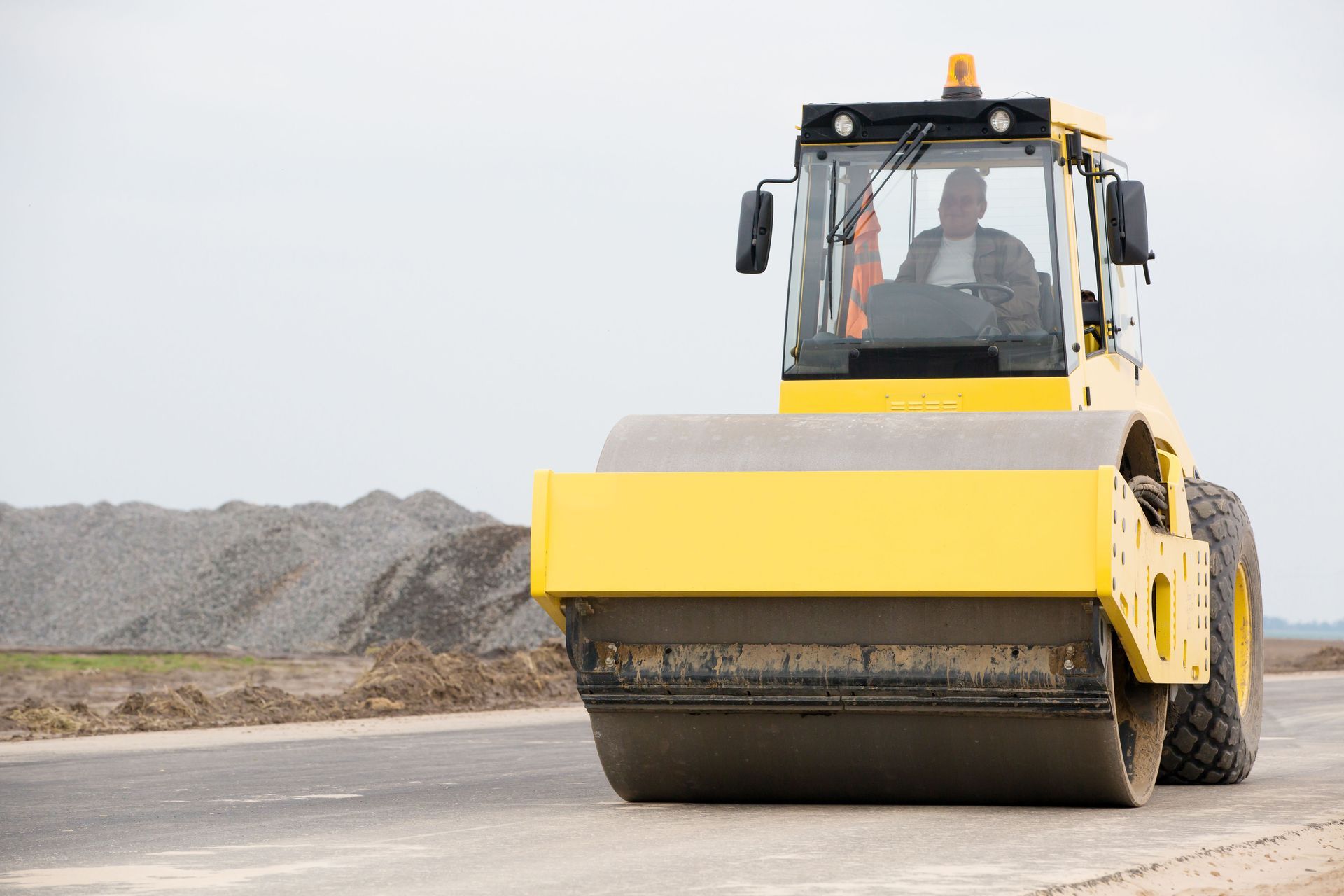
The longevity of any asphalt installation depends heavily on the preparation of the earth beneath it. When areas experience persistent sinking, shifting, or structural buckling, the failure usually traces back to an unstable foundation. Remedying these deep-seated issues requires precision fine grading to level, compact, and stabilize the aggregate sub-base before placing the final surface layer. A perfectly graded foundation guarantees uniform weight distribution and prevents localized stress concentrations.
Restoring Safety Markings With Line Striping
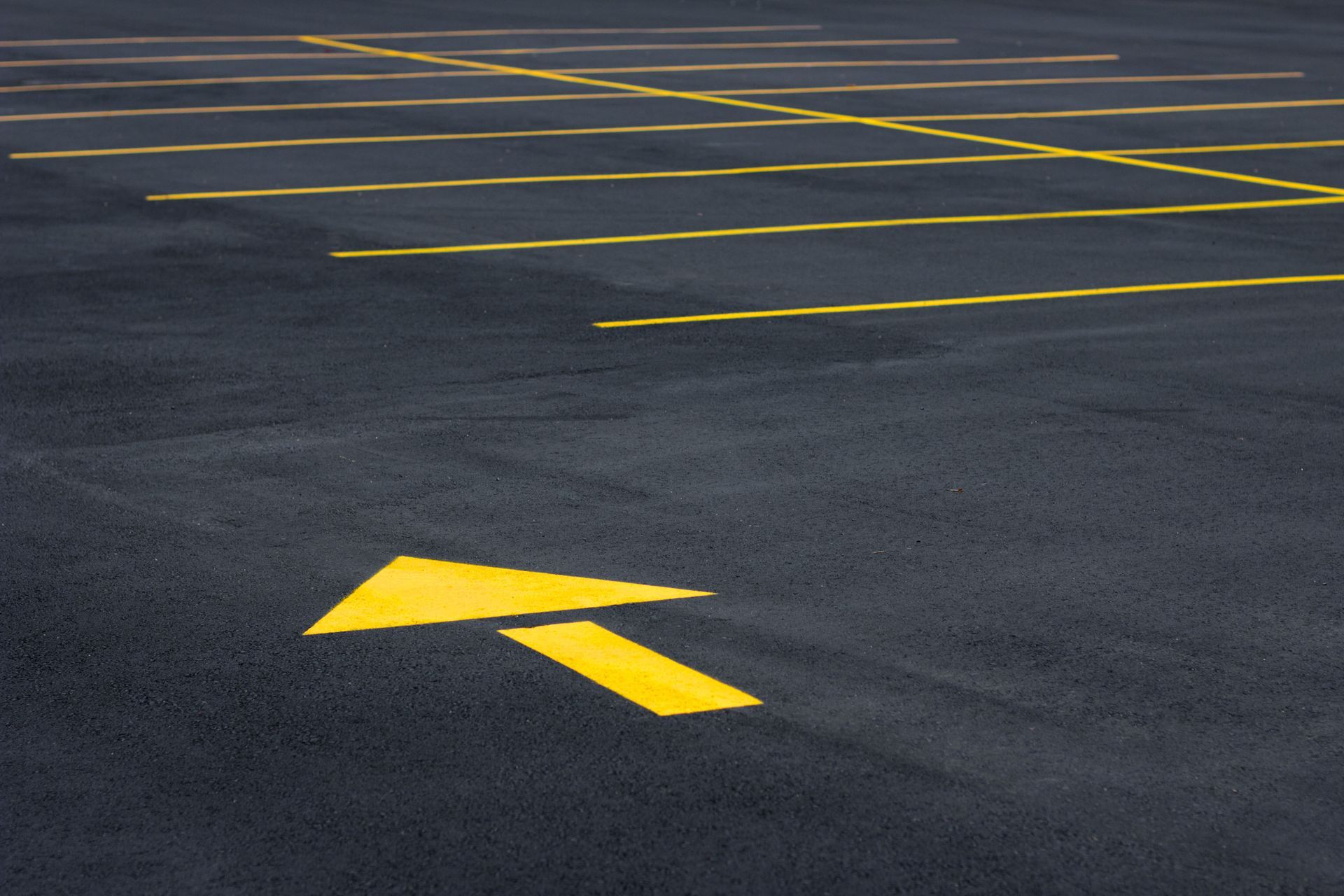
Clear directional indicators and parking delineations are critical for maintaining orderly traffic flow and ensuring pedestrian safety on any commercial asset. Over time, heavy traffic, weather elements, and maintenance sweepers dull these essential markings. Faded markings increase the risk of vehicular accidents and can jeopardize compliance with local accessibility regulations. Renewing organizational lines through precise line striping ensures optimal utilization of space, minimizes liability, and complements the overall visual profile of newly maintained commercial asphalt paving.
Embracing Technological and Sustainable Advancements
Utilizing Advanced Reclaimed Asphalt Technology
Modern asphalt production relies heavily on highly efficient recycling methodologies that support environmental sustainability while maintaining exceptional material performance. According to the National Asphalt Pavement Association, more than 96% of the asphalt mixture reclaimed from old asphalt pavements was recycled back into new asphalt pavements in 2024, while the other 4% was used in other civil engineering applications. This remarkably high rate of reclamation demonstrates the inherent sustainability of the medium. When old surfaces reach the true end of their functional lifespans, they are milled, crushed, and seamlessly integrated into fresh batches, ensuring that commercial asphalt paving remains a responsible and resource-conscious choice for modern infrastructure.
Embracing Specialized Preventive Maintenance Calendars
Rather than reacting to failures after they disrupt operations, forward-thinking asset managers utilize structured, multi-year maintenance calendars. Aligning various interventions—such as balancing heavy-duty concrete paving in loading docks with asphalt applications in standard parking areas—maximizes efficiency. Scheduling routine sweeping, crack repairs, and line enhancements into a predictable, rolling schedule minimizes operational downtime, limits unexpected repair expenditures, and ensures that the entire property preserves a uniform, well-managed appearance.
Maintaining a safe, durable, and visually appealing parking facility requires an ongoing commitment to structured preservation efforts. From the precision sub-base preparation achieved during fine grading to protective treatments like sealcoating and petromat overlays, every proactive measure works in tandem to defend the surface against natural weathering and heavy traffic loads. Incorporating these proven techniques preserves the structural integrity of
commercial asphalt paving and protects the overall value of the property. Staying ahead of wear and tear prevents minor surface issues from escalating into major operational disruptions. A well-executed preservation plan demonstrates a clear commitment to quality and safety, ensuring the premises remain welcoming to every visitor. Working alongside dedicated professionals to execute regular maintenance ensures your infrastructure remains reliable, functional, and visually impressive for years to come. Contact California Paving & Grading today for a free estimate and quality commercial paving work.